Classic Homemade Margherita Pizza
Classic Homemade Margherita Pizza is a timeless Italian dish that captures the essence of simple yet vibrant flavors. The combination of fresh mozzarella, sweet tomatoes, and aromatic basil creates a delightful harmony on every slice. This pizza is not only easy to make but also brings a taste of Italy to your kitchen. Perfect for any occasion, whether it's a cozy family dinner or a festive gathering, this dish is sure to impress. The authenticity of its ingredients and preparation method makes Margherita Pizza a beloved choice among pizza lovers worldwide.

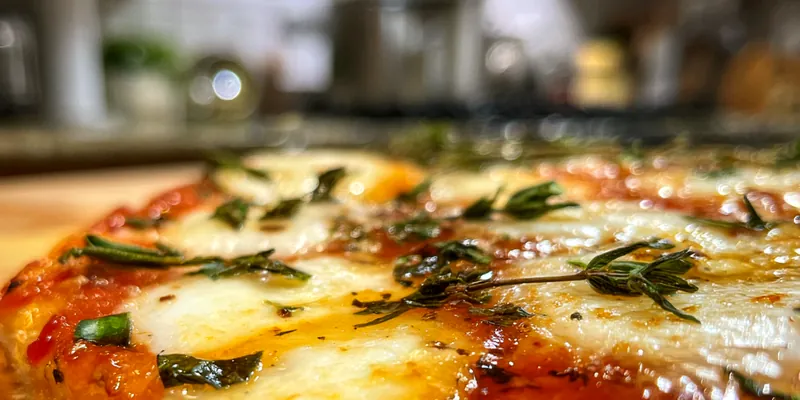
Why This Classic Homemade Margherita Pizza Works
The key to a perfect Margherita Pizza lies in the quality of its ingredients. Using fresh, ripe tomatoes and high-quality mozzarella ensures that each bite bursts with flavor. The dough's texture is essential; a well-kneaded and rested dough creates the ideal base for a crispy crust. This pizza is a testament to the beauty of simplicity in cooking, focusing on a few high-quality ingredients rather than complex flavors.
What makes this pizza truly special is its connection to Italian culture and history. Originating from Naples, Margherita Pizza was created in honor of Queen Margherita of Savoy, reflecting the colors of the Italian flag with basil, mozzarella, and tomatoes. Each ingredient plays a pivotal role, contributing to the overall experience of the dish. This pizza is not just a meal; it's a journey back to Italy with every bite.
💡 Professional Tip
For the best results, allow your dough to rise slowly in the refrigerator overnight. This enhances the flavor and texture of the crust. Additionally, using a pizza stone can help achieve that desired crispy bottom. Preheating the stone in the oven ensures an evenly cooked pizza. Lastly, don't overload the toppings; a Margherita Pizza is all about balance and simplicity.
Frequently Asked Questions
Yes, you can prepare the dough and sauce ahead of time. After kneading the dough, you can let it rise in the refrigerator for up to 24 hours. The sauce can also be made in advance and stored in the refrigerator for a few days. Just remember to bring the dough back to room temperature before shaping and baking.
If you're looking for alternatives, you can use any type of cheese instead of fresh mozzarella, though it’s the traditional choice. For those who prefer a gluten-free option, gluten-free pizza flour can be used to make the dough. Additionally, you can substitute fresh basil with spinach or arugula, though the flavor will differ slightly.
Your pizza is done when the crust is golden brown, and the cheese is bubbling and slightly browned. You can also check the bottom of the crust; it should be firm and crisp. If you’re using a pizza stone, the heat from the stone will help achieve a perfect crust. If in doubt, give it an extra minute or two in the oven.
Yes, you can freeze both the dough and the assembled pizza. For the dough, wrap it tightly in plastic wrap and then place it in a freezer bag. For the assembled pizza, wrap it well in foil and freeze. When you’re ready to use it, simply let it thaw in the refrigerator overnight and bake as usual.
Margherita Pizza pairs wonderfully with a fresh green salad or a classic Caesar salad for a light and refreshing meal. You can also serve it with antipasto appetizers like olives, cured meats, or roasted vegetables. A glass of red wine or an Italian soda makes for a perfect beverage pairing to enhance the dining experience.
Cooked Margherita Pizza can be stored in the refrigerator for up to 3 days. Just make sure to cover it with plastic wrap or place it in an airtight container. For longer storage, you can freeze leftover slices for up to 2 months. Reheat in the oven to restore the crust's crispiness.
To adjust the spice level, you can add crushed red pepper flakes to the sauce before spreading it on the dough. If you prefer a milder flavor, omit the pepper flakes. You can also sprinkle some fresh black pepper on top after baking for a slight kick without overpowering the dish.
The best way to reheat Margherita Pizza is in the oven to keep the crust crispy. Preheat your oven to 375°F (190°C) and place the pizza on a baking sheet for about 10 minutes. Alternatively, you can use a skillet on the stove over medium heat, covering it with a lid for a few minutes until heated through.
Recipe Troubleshooting Guide
Too Dry
Problem: If your pizza turns out too dry, it might be due to overcooking or not enough sauce.
Solution: To avoid this, keep an eye on the baking time and ensure you spread a generous layer of sauce. You can also add a drizzle of olive oil before baking to keep the pizza moist.
Not Crispy
Problem: A pizza that isn't crispy may have been baked on a cold surface or with too much moisture from toppings.
Solution: Ensure your oven and pizza stone are thoroughly preheated. Avoid overloading with toppings, and consider using less sauce if it's too watery.
Overcooked
Problem: If your pizza comes out overcooked, it may be due to high oven temperature or prolonged baking time.
Prevention: Check your oven thermometer to ensure accurate temperatures. Bake for shorter intervals, checking for doneness frequently.
Undercooked
Problem: An undercooked pizza can result from not baking it long enough.
Recovery: If you find your pizza is undercooked, return it to the oven for a few more minutes. Ensure the heat is evenly distributed across the pizza.
Burnt
Problem: A burnt pizza usually occurs from too high a temperature or incorrect positioning in the oven.
Prevention: Try lowering the oven temperature and moving the pizza to a lower rack to prevent burning. Always preheat your oven properly.
Flavor Balance
Too Sweet: If your pizza tastes too sweet, it may be due to overly ripe tomatoes or too much sugar in the sauce.
Too Salty: A salty pizza can result from over-seasoning the sauce or using salty cheese.
Bland: If the pizza is bland, consider adding more salt to the sauce or fresh herbs for flavor enhancement.
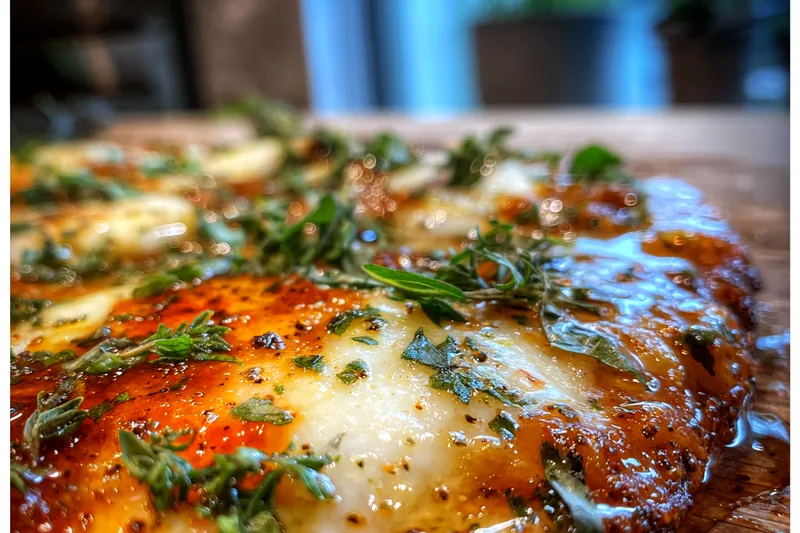
Key Ingredients
The main ingredients for Classic Homemade Margherita Pizza include high-quality flour, fresh mozzarella, and ripe San Marzano tomatoes. The flour provides the foundation for the crust, while fresh mozzarella melts beautifully, adding a rich and creamy texture. San Marzano tomatoes, known for their sweetness and low acidity, create a vibrant sauce that enhances the overall flavor profile of the pizza. Fresh basil leaves not only add color but also impart an aromatic quality that elevates the dish.
In addition to the ingredients, the seasonings are crucial for bringing out the flavors. A drizzle of extra virgin olive oil adds richness, while salt and pepper enhance the natural flavors of the ingredients. You can also experiment with garlic powder or a pinch of sugar in the sauce for an extra layer of flavor. Using high-quality ingredients is essential to achieving an authentic taste that makes this pizza stand out.
Essential Ingredient Notes
- Main Ingredient: The flour used in the dough is critical for achieving the right texture. Opt for high-protein bread flour for a chewier crust or all-purpose flour for a softer base. The hydration level of your dough also impacts the final product, so ensure to measure your water accurately. Allowing the dough to rest adequately before baking improves its elasticity and flavor.
- Second Key Ingredient: Fresh mozzarella is a must for authentic Margherita Pizza. Choose buffalo mozzarella for a creamier texture or cow’s milk mozzarella for a firmer bite. Always drain excess moisture to prevent a soggy pizza. Consider tearing the mozzarella into pieces instead of slicing for a more rustic presentation.
- Essential Seasoning: A good quality olive oil elevates the flavor of the pizza significantly. Use extra virgin olive oil for drizzling on top just before serving. It adds richness and enhances the aroma of the fresh basil. Additionally, don't skimp on salt; it balances the flavors and is crucial for the sauce and dough.
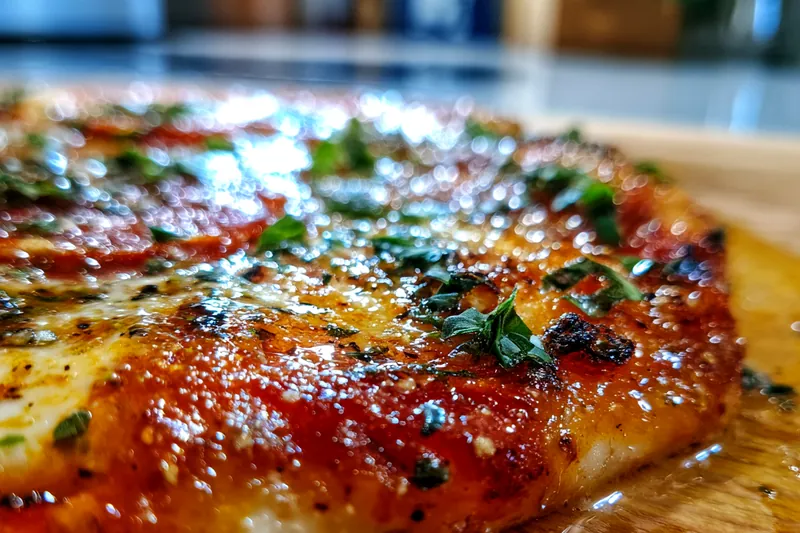
Cooking Process
The cooking process for Classic Homemade Margherita Pizza requires some attention to detail for the best results. Start by preheating your oven and pizza stone, if using, to the right temperature. Proper dough preparation, including kneading and rising, will ensure a light and airy crust. Shape the dough carefully, making sure to keep the edges slightly thicker for a better crust that can hold the toppings.
Once the pizza is assembled, it's time for baking. Keep an eye on the pizza to avoid overcooking and ensure the cheese melts perfectly. After baking, allow the pizza to rest briefly before slicing, allowing the flavors to meld. Adding a drizzle of olive oil and extra basil right before serving enhances the flavor and presentation.
Key Technique
The key technique for making great pizza is in the dough handling and baking method. Proper kneading develops gluten, which gives the dough its structure. Additionally, allowing the dough to rise in a warm environment ensures that it ferments properly, enhancing flavor. Baking at a high temperature mimics traditional pizza ovens, resulting in a crispy crust and bubbly cheese, which is essential for a successful Margherita Pizza.
Classic Homemade Margherita Pizza
📋 Ingredients
Main Ingredients
- 1 cup canned San Marzano tomatoes, crushedfor sauce
- Salt and pepper to tastefor seasoning
- Extra virgin olive oil for drizzlingadds richness
Sauce/Seasoning
- 2 cups all-purpose flourfor dough
- 1 cup warm water (110°F)activates yeast
- 1 packet (2 1/4 tsp) active dry yeastfor dough rise
- 1 tsp sugarhelps yeast activate
- 1 tsp saltfor flavor
- 1 tbsp olive oilfor dough
- 8 oz fresh mozzarella cheese, slicedfor topping
- Fresh basil leavesfor garnish
Instructions
Prepare the Dough
In a bowl, mix warm water, sugar, and yeast. Allow it to sit for about 5 minutes until frothy. In a separate bowl, combine flour and salt. Gradually add the yeast mixture and olive oil to the flour, mixing until a dough forms.
Knead the Dough
Transfer the dough to a floured surface and knead for about 10 minutes until smooth and elastic. Place the kneaded dough in a greased bowl, cover with a damp cloth, and let it rise in a warm place for 1 hour or until doubled in size.
Preheat the Oven
While the dough is rising, preheat your oven to 475°F (245°C). If using a pizza stone, place it in the oven to heat up as well.
Prepare the Sauce
In a bowl, crush the canned tomatoes with your hands or a fork until slightly chunky. Season with salt and pepper to taste. You can also add a drizzle of olive oil for extra flavor.
Shape the Pizza
Once the dough has risen, punch it down and transfer it to a floured surface. Divide the dough into two portions. Roll out each portion into a 10-12 inch round shape, making the edges slightly thicker for a crust.
Assemble the Pizza
Spread a thin layer of the prepared tomato sauce over the pizza base, leaving the edges clear. Arrange the sliced mozzarella evenly over the sauce and add fresh basil leaves on top.
Bake the Pizza
Carefully transfer the pizza onto a preheated pizza stone or baking sheet. Bake for 10-12 minutes or until the crust is golden brown and the cheese is bubbling.
Garnish and Serve
Once baked, remove the pizza from the oven and drizzle with extra virgin olive oil. Allow it to cool for a minute before slicing. Serve hot with additional fresh basil if desired.
Recipe Notes & Tips
Storage Tips
To store leftover pizza, place it in an airtight container or wrap it tightly in plastic wrap. Refrigerate it for up to 3 days. For longer storage, consider freezing slices, which can be reheated easily in the oven.
Serving Ideas
Pair your Margherita Pizza with a fresh garden salad for a light meal. You can also serve it alongside garlic bread or a selection of antipasto for a complete Italian feast.
Variations
Feel free to experiment with toppings. Add sliced tomatoes, olives, or artichokes for extra flavor. You can also try different cheeses like goat cheese or feta for a unique twist on the classic recipe.