Coleslaw
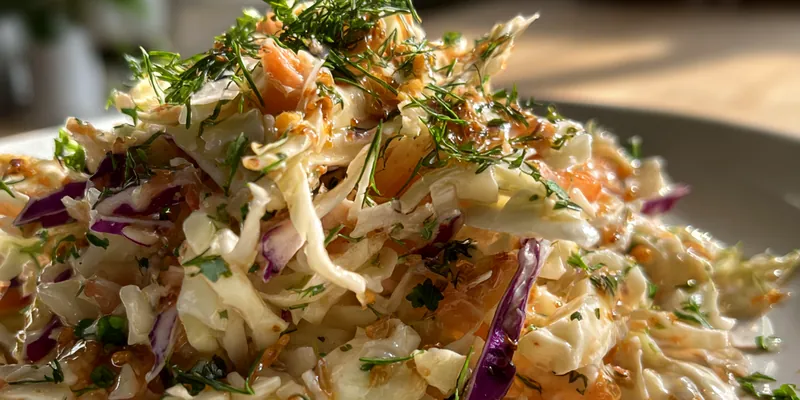
Coleslaw is a classic American salad that brings a refreshing crunch to any meal. Originating from the traditional cabbage salad served by Dutch settlers, it has evolved into a beloved side dish at barbecues, picnics, and family gatherings. This easy coleslaw recipe features a creamy dressing that perfectly complements the crisp vegetables. With its appealing texture and tangy flavor, coleslaw is not just a side dish but also a delightful addition to sandwiches and tacos.

Why This Coleslaw Works
The key to a successful coleslaw lies in the balance of flavors and textures. The combination of creamy dressing with crunchy vegetables creates a satisfying contrast that enhances the dish. Additionally, letting the coleslaw rest allows the cabbage to soften slightly while absorbing the flavors of the dressing, resulting in a more harmonious taste. The use of fresh ingredients ensures a vibrant flavor profile that's both refreshing and delicious.
What makes this coleslaw special is its adaptability. You can easily customize the recipe to include your favorite ingredients, such as different types of cabbage or additional vegetables like radishes or broccoli. The dressing can also be modified to suit your taste preferences, whether you prefer it sweeter or tangier. This versatility makes it a go-to recipe for any occasion.
💡 Professional Tip
To achieve the best flavor, always use fresh ingredients. When shredding cabbage, aim for uniform pieces to ensure even texture. If time allows, let the coleslaw sit longer before serving; this not only enhances the flavor but also improves the texture. Finally, remember that you can adjust the dressing ingredients based on your personal taste, allowing for a unique spin each time you make it.
Frequently Asked Questions
Absolutely! Coleslaw can be made a day in advance, making it a great option for meal prep. Just remember to store it in an airtight container in the refrigerator. The flavors will meld beautifully overnight, but it’s best to add any delicate ingredients, like green onions, just before serving to keep them fresh.
If you're looking to substitute ingredients, consider using red cabbage for a pop of color or adding shredded broccoli for extra crunch. You can swap out mayonnaise for Greek yogurt for a healthier version. Additionally, try using different vinegars like red wine or balsamic for a unique flavor twist.
You’ll know your coleslaw is ready when the vegetables are well-coated in the dressing and have had enough time to marinate. After chilling for at least 30 minutes, the flavors should be well combined. Taste it to check for seasoning; the cabbage should be slightly tender yet still crisp.
Freezing coleslaw isn't recommended as the texture of the cabbage will change significantly once thawed. The freshness and crunch will be lost, making it less enjoyable. It's best enjoyed fresh, so consider making only what you need for a meal.
Coleslaw pairs wonderfully with grilled meats like barbecue chicken or ribs. It's also a great topping for pulled pork sandwiches or fish tacos, adding a nice crunch and balance to the dish. For a light meal, serve it alongside grilled vegetables or as part of a picnic spread.
Coleslaw can be stored in the refrigerator for up to 3 days. Be sure to keep it in an airtight container to maintain its freshness. After a couple of days, the vegetables may begin to lose their crunch, but the flavor will still be good.
To adjust the spice level of your coleslaw, consider adding a dash of hot sauce or some finely chopped jalapeños. For a milder version, stick to the classic ingredients and avoid adding any spicy elements. You can also experiment with flavored vinegars for a subtle kick.
Coleslaw is typically served cold and doesn't require reheating. If you find yourself with leftover warm dishes, consider serving coleslaw as a chilled side instead. This contrast can add a refreshing touch to the meal.
Recipe Troubleshooting Guide
Too Dry
Problem: If your coleslaw turns out too dry, it may be due to insufficient dressing. The vegetables can absorb a lot of moisture, especially if they sit for a while.
Solution: To remedy this, simply mix in a bit more dressing until you reach your desired consistency. You could also add a splash of vinegar or a bit of water to help moisten it up without overwhelming the flavor.
Not Crispy
Problem: A coleslaw that lacks crispness may have been prepared too early. If the cabbage is left in the dressing for too long, it will lose its crunch.
Solution: To prevent this, aim to combine the dressing and vegetables just before serving or allow it to chill only briefly. If it’s already soggy, adding more fresh, uncooked cabbage can help restore some crunch.
Overcooked
Problem: If the cabbage has become mushy, it may have been over-dressed or prepared too far in advance.
Prevention: To avoid overcooking, mix the dressing with the cabbage shortly before serving. If the texture is too far gone, consider using the coleslaw in a cooked dish, like a stir-fry, to salvage it.
Undercooked
Problem: Undercooked cabbage can be tough and unpleasant in coleslaw.
Recovery: To remedy this, shred the cabbage finer and let it sit in the dressing for a bit longer to soften. Alternatively, you could briefly blanch the cabbage before mixing it with the dressing.
Burnt
Problem: Burnt coleslaw can occur if any of the vegetables are cooked instead of raw, particularly if heated incorrectly.
Prevention: Ensure all ingredients are used raw for coleslaw. If you accidentally cook them, you may need to start fresh for an authentic coleslaw experience.
Flavor Balance
Too Sweet: If your coleslaw is too sweet, it may have too much sugar in the dressing.
Too Salty: If it tastes too salty, you can balance it with a bit of vinegar or sugar to mellow the saltiness.
Bland: To combat blandness, add more seasoning or a splash of lemon juice for brightness and flavor.
Key Ingredients
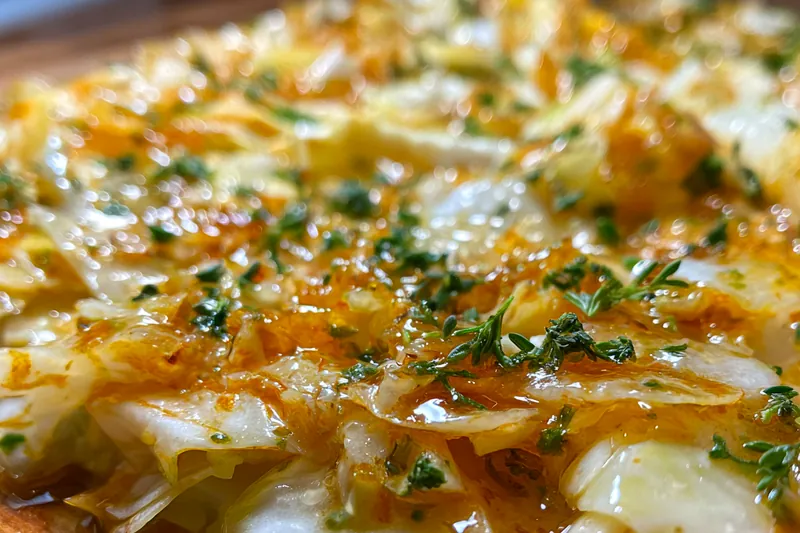
The main ingredients in coleslaw are cabbage and carrots. Cabbage provides the bulk and crunch, while carrots add a touch of sweetness and color. You can choose between green or red cabbage based on your preference or availability. Both types deliver a satisfying crunch while being rich in nutrients.
The dressing is equally important, usually made from mayonnaise and vinegar, which gives coleslaw its creamy texture and tangy flavor. Dijon mustard adds depth, while sugar balances the acidity. Feel free to experiment with different seasonings like celery seed or paprika to elevate the flavor profile.
Essential Ingredient Notes
- Main Ingredient: Cabbage serves as the base of coleslaw and is crucial for texture. Choosing fresh, crisp cabbage will result in a more satisfying crunch. Avoid bruised or wilted cabbage, as it can detract from the overall taste and appearance. Shredding it evenly ensures that every bite is balanced.
- Second Key Ingredient: Carrots add not only color but also a natural sweetness to coleslaw. They should be grated finely to blend well with the cabbage. Fresh, firm carrots will provide the best flavor and texture. Consider using a mix of colors like purple or yellow carrots for a vibrant presentation.
- Essential Seasoning: Mayonnaise is the cornerstone of coleslaw dressing, providing creaminess and richness. Opt for a high-quality mayonnaise for the best result. You can also substitute with Greek yogurt for a lighter version. Adding vinegar enhances the flavors and gives a refreshing tang.
Cooking Process
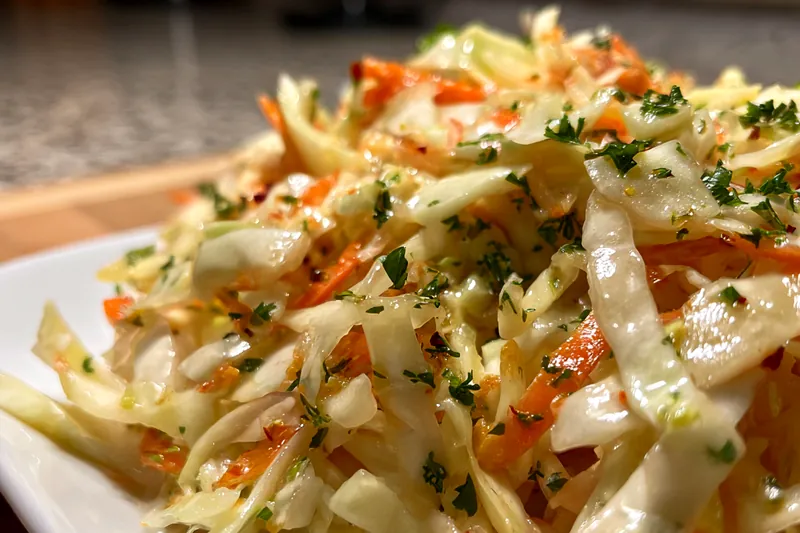
The cooking process for coleslaw is straightforward and quick. Start by preparing all the vegetables, ensuring they are clean and dry. The key is to chop and shred them uniformly for consistent texture. Mixing the dressing separately allows for even distribution when combined with the vegetables.
After mixing the cabbage and dressing, let the coleslaw chill for optimal flavor development. This resting period is crucial as it allows the cabbage to absorb the dressing, enhancing the overall taste. Before serving, give it a final stir to ensure it's well-combined, and enjoy your delicious creation.
Key Technique
The key technique in making coleslaw is ensuring the vegetables are properly shredded and mixed. Shredding cabbage finely allows for better absorption of the dressing while maintaining a satisfying crunch. Letting the mixture rest not only helps the flavors meld but also softens the cabbage slightly without losing its crispness. This technique is what elevates a basic coleslaw to a standout side dish.
Coleslaw
📋 Ingredients
Main Ingredients
- 1 cup mayonnaisefor creaminess
- 2 tablespoons apple cider vinegarfor tanginess
- 1 tablespoon Dijon mustardfor depth of flavor
- 2 teaspoons sugarto balance acidity
- 1/2 teaspoon saltto season
- 1/4 teaspoon black pepperfor seasoning
Sauce/Seasoning
- 1 small head green cabbage, finely shreddedfor the base
- 1 large carrot, gratedfor sweetness and color
- 1/2 small red onion, finely choppedfor added flavor
- 1/2 cup green onions, slicedfor garnish and flavor
- 1/2 cup bell pepper, dicedfor crunch
- Optional: 1/4 cup raisins or cranberriesfor a touch of sweetness
Instructions
Prepare the Vegetables
Begin by finely shredding the cabbage and grating the carrot. Chop the red onion and slice the green onions, adding them to a large mixing bowl. If you choose to include bell pepper or raisins, prepare those as well.
Make the Dressing
In a separate bowl, combine the mayonnaise, apple cider vinegar, Dijon mustard, sugar, salt, and black pepper. Whisk the ingredients until well blended and creamy. Adjust seasoning to taste if needed.
Combine the Ingredients
Pour the dressing over the chopped vegetables in the mixing bowl. Gently toss the ingredients together until evenly coated in the dressing. Ensure all vegetables are well mixed for optimal flavor.
Chill the Coleslaw
Cover the bowl with plastic wrap or a lid and refrigerate the coleslaw for at least 30 minutes. This resting period allows the flavors to meld and the cabbage to soften slightly. If time allows, chill for a couple of hours for an even better taste.
Serve
Once chilled, stir the coleslaw again before serving to redistribute the dressing. Transfer to a serving dish and garnish with additional green onions or bell peppers if desired. Enjoy your homemade coleslaw as a side or topping.
Recipe Notes & Tips
Storage Tips
To keep your coleslaw fresh, store it in an airtight container. It will last in the refrigerator for up to three days. If it becomes too watery, simply drain off excess liquid before serving again. For best taste, consume within the first two days.
Serving Ideas
Coleslaw is a versatile side that pairs beautifully with grilled meats, sandwiches, and tacos. Consider serving it alongside barbecue chicken or pulled pork for a classic combination. You can also add it to wraps for a crunchy element or serve it as a topping on hot dogs.
Variations
Feel free to experiment with different ingredients to create your signature coleslaw. Try adding fruits like apples or pineapple for a sweet twist, or include nuts for added crunch. You can also explore various dressings, such as vinaigrettes or yogurt-based options, to suit your taste.