Corn on the Cob with Butter
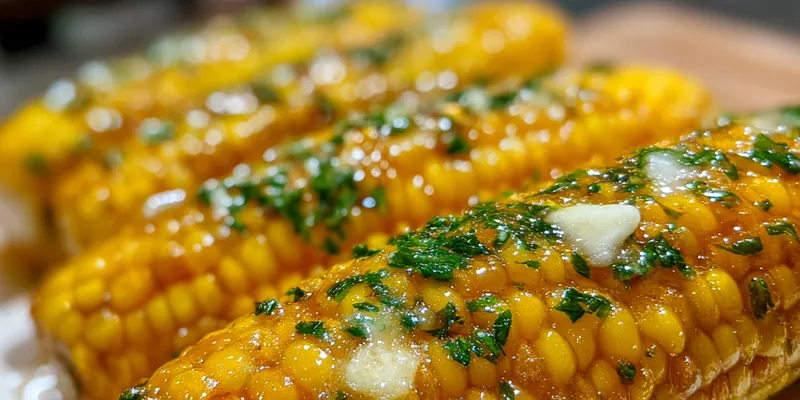
Corn on the Cob with Butter is a timeless summer dish enjoyed by many. Its sweet and tender kernels, slathered in rich butter, create a delightful taste experience. This dish is perfect for barbecues, picnics, or any outdoor gatherings. Its simplicity allows the natural sweetness of corn to shine, making it a favorite among both kids and adults. Elevate your summer meals with this easy and delicious recipe that celebrates fresh produce.

Why This Corn on the Cob with Butter Works
The technique of boiling corn preserves its natural sweetness and moisture, resulting in tender kernels that burst with flavor. Adding salt to the boiling water enhances the taste, infusing the corn with savory notes. The combination of butter and seasonings post-cooking elevates the dish, creating a rich and creamy texture that complements the corn's sweetness.
What makes this dish special is its versatility. It can be enjoyed as a simple side dish or dressed up with gourmet toppings. The addition of lime juice and garlic powder in the butter mixture adds a zesty kick that transforms ordinary corn into a gourmet experience.
💡 Professional Tip
For an even richer flavor, try using compound butter with herbs or spices. Let the butter mix sit for a while to meld the flavors before applying it to the corn. Also, consider grilling the corn after boiling for a smoky flavor that adds depth to the dish.
Frequently Asked Questions
Yes, you can prepare the corn ahead of time. Boil the corn and cool it completely, then store it in the refrigerator for up to two days. When you're ready to serve, simply reheat it in boiling water for a few minutes or microwave it briefly. Just be sure to add the butter just before serving for the best flavor.
If you're looking for alternatives to butter, consider using olive oil or vegan butter for a dairy-free option. You can also try flavored butters, like herb-infused butter, for a twist on the classic. Additionally, if corn on the cob isn't available, frozen corn can work in recipes where the corn is cut off the cob and mixed into dishes.
Corn is done when the kernels are tender and plump, usually taking about 8-10 minutes of boiling. You can check by piercing a kernel with a fork; it should release a bit of juice and feel tender. Overcooking can lead to mushy corn, so it's best to monitor closely during the last few minutes of cooking.
Yes, you can freeze corn on the cob. Blanch the corn in boiling water for about 4 minutes, then transfer it to an ice bath to stop cooking. Once cooled, wrap the ears tightly in plastic wrap and store in a freezer bag. It can be frozen for up to six months, maintaining its flavor and texture.
Corn on the Cob with Butter pairs beautifully with grilled meats, salads, or other summer vegetables. It's a fantastic side dish for barbecues or picnics, complementing dishes like burgers, ribs, or grilled chicken. You can also serve it with a fresh green salad for a light, balanced meal.
Cooked corn on the cob can be stored in the refrigerator for up to 3 days. Be sure to wrap it in plastic wrap or aluminum foil to maintain freshness. If you notice any off-smells or discoloration, it's best to discard it.
To adjust the spice level, you can add more or less garlic powder and paprika to the butter mixture. For a spicier kick, consider adding cayenne pepper or chili powder. Additionally, serving the corn with hot sauce or a sprinkle of red pepper flakes can enhance the heat according to your taste.
The best way to reheat corn on the cob is by steaming it. Place the corn in a steamer basket over boiling water for about 5 minutes. Alternatively, you can microwave it wrapped in a damp paper towel for 1-2 minutes. Avoid reheating in the oven as it can dry out the corn.
Recipe Troubleshooting Guide
Too Dry
Problem: If your corn turns out dry, it may have been overcooked or not enough butter was applied.
Solution: To remedy this, ensure you monitor the cooking time closely. Apply additional butter after cooking to enhance moisture and flavor.
Not Crispy
Problem: Corn that isn't crispy might not have been boiled long enough or was stored improperly.
Solution: Make sure to boil the corn until tender and serve it immediately after cooking to maintain its texture.
Overcooked
Problem: Overcooked corn can become mushy and lose its sweet flavor.
Prevention: To prevent overcooking, keep an eye on the corn during boiling. Once tender, remove it from the heat immediately.
Undercooked
Problem: If the corn is undercooked, it will be tough and chewy.
Recovery: Ensure you are boiling the corn long enough to allow the kernels to become tender. If undercooked, return it to boiling water for a few more minutes.
Burnt
Problem: Burnt corn may result from grilling at too high a temperature or leaving it on the grill too long.
Prevention: Monitor the corn while grilling and rotate it frequently to avoid burning, ensuring even cooking.
Flavor Balance
Too Sweet: If the corn is too sweet, it may be due to the variety of corn used.
Too Salty: Too salty can happen if too much salt is added to the boiling water or butter mixture.
Bland: Bland corn can be improved with additional seasonings or toppings, such as spices or herbs.
Key Ingredients
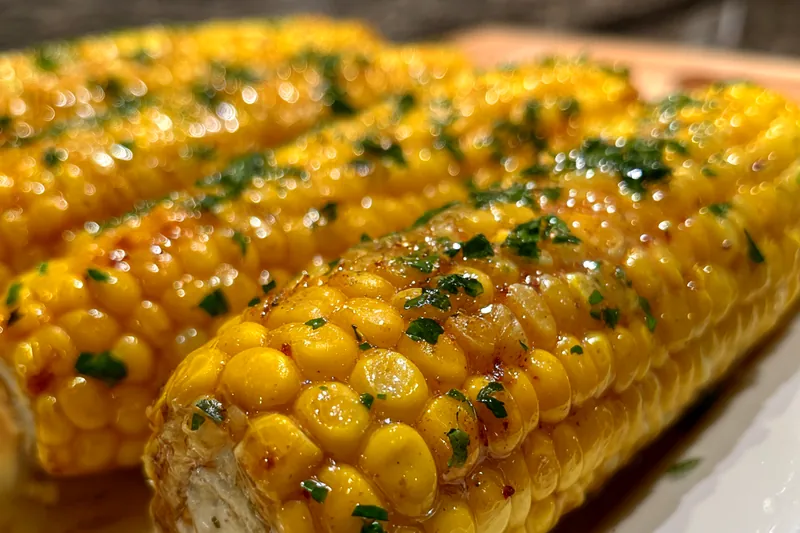
The primary ingredient in this recipe is fresh corn on the cob, which should be sweet and tender. Look for ears with bright green husks and plump kernels. The quality of the corn plays a crucial role in the dish's overall flavor and texture. The freshness contributes to the natural sweetness that makes this dish so appealing.
Seasonings such as salt, black pepper, and garlic powder add depth to the flavor of the corn. Fresh parsley not only enhances the taste but also adds a pop of color. Lime juice brightens the dish, balancing the richness of the butter and providing a refreshing finish.
Essential Ingredient Notes
- Main Ingredient: Fresh corn on the cob is the star of this dish. Choose sweet corn harvested in season for the best flavor. The kernels should be plump, and the husks should feel moist to the touch. Avoid corn with dried-out husks or shriveled kernels to ensure a tasty result.
- Second Key Ingredient: Butter is essential for adding richness and creaminess to the corn. Use unsalted butter to control the saltiness of the dish. The butter mixture can also be customized with herbs and spices for a unique flavor profile that suits your taste.
- Essential Seasoning: Salt enhances the natural sweetness of the corn, making it essential in the cooking process. Black pepper adds a subtle heat and complexity. Other seasonings like garlic powder and paprika can elevate the flavor, making the corn irresistible.
Cooking Process
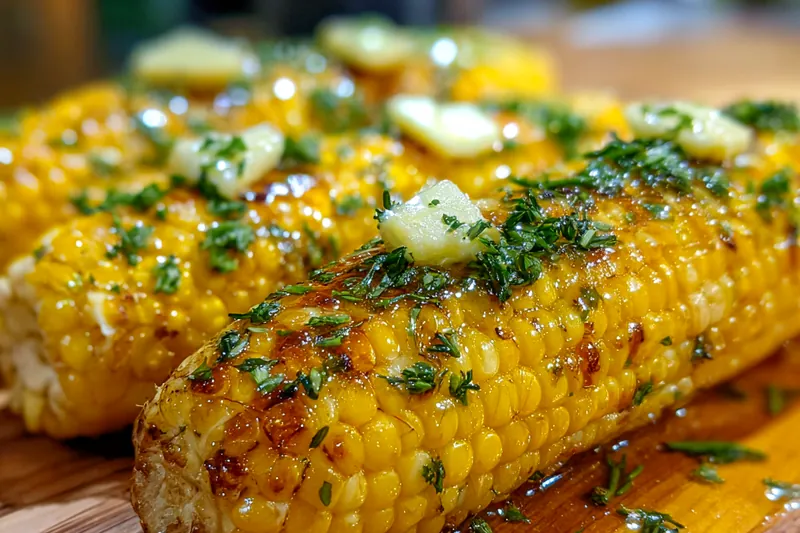
Begin by preparing the corn and boiling water to ensure the corn cooks evenly. Proper boiling is vital for achieving tender kernels without losing flavor. After boiling, let the corn drain to remove excess water, which can dilute the butter's flavor when applied.
Once the corn is cooked and drained, apply the butter mixture generously. Tossing the corn in the butter allows the flavors to meld beautifully, enhancing each bite. Serve the corn hot for the best flavor experience, and consider garnishing with additional herbs for a fresh touch.
Key Technique
The boiling technique is crucial for cooking corn on the cob. It allows the corn to cook evenly while preserving its natural sweetness. Avoid overcooking to ensure that the kernels remain firm and juicy. Additionally, applying the butter immediately after cooking ensures the best flavor absorption.
Corn on the Cob with Butter
📋 Ingredients
Main Ingredients
- 1/2 cup unsalted butter, softenedfor spreading on the corn
- 1 teaspoon saltto enhance flavor
- 1/2 teaspoon black pepperfor seasoning
- 1 tablespoon lime juiceadds brightness
- 1 teaspoon garlic powderfor extra flavor
Sauce/Seasoning
- 4 ears of fresh corn, husked and cleanedthe main ingredient
- 1 tablespoon fresh parsley, choppedfor garnish
- 1/2 teaspoon paprikaadds flavor
- Water for boilingessential for cooking
- Foil (for grilling option)if grilling
Instructions
Prepare the Corn
Start by husking the corn, removing the silk, and rinsing the ears under cold water. This helps to clean off any residual dirt or debris. Cut off any damaged kernels if necessary.
Boil the Water
In a large pot, fill it with enough water to submerge the corn. Bring the water to a rolling boil over high heat. Adding a pinch of salt to the water enhances the flavor of the corn.
Cook the Corn
Once boiling, carefully add the corn to the pot. Boil the corn uncovered for about 8-10 minutes until tender. You can test doneness by piercing a kernel with a fork; it should be juicy and tender.
Prepare the Butter Mixture
In a mixing bowl, combine the softened butter, salt, black pepper, garlic powder, paprika, chopped parsley, and lime juice. Mix well until all ingredients are fully incorporated, creating a flavorful compound butter.
Drain the Corn
Using tongs, remove the corn from the boiling water and let it drain in a colander. Allow it to cool slightly before handling. This will also make it easier to apply the butter.
Apply the Butter
Brush or spread the prepared butter mixture generously over each ear of corn while it’s still warm. Be sure to coat all sides for maximum flavor.
Serve
Place the buttered corn on a serving platter. Garnish with additional parsley if desired. Serve immediately and enjoy the delicious flavors!
Grill Option
For a smoky flavor, you can also grill the corn. Wrap each ear in foil after buttering and place it on the grill for about 15-20 minutes, turning occasionally.
Recipe Notes & Tips
Storage Tips
Store leftover corn on the cob in an airtight container in the refrigerator for up to three days. Reheat gently in boiling water or a microwave. Avoid leaving it out at room temperature for extended periods to prevent spoilage.
Serving Ideas
Corn on the Cob with Butter is the perfect side for grilled meats, summer salads, and picnics. Pair it with a refreshing coleslaw or potato salad for a complete meal. Consider serving it alongside BBQ for a true summer feast.
Variations
Try adding different spices to the butter for a unique twist. Chili powder or cheese can be mixed in for added flavor. For a gourmet touch, consider truffle oil or herb butter variations.