Creamy Mashed Potatoes
Creamy Mashed Potatoes are a timeless side dish that complements nearly any meal, from festive dinners to casual gatherings. The velvety texture and buttery flavor make them irresistible. Originating from traditional American cuisine, these mashed potatoes have become a family favorite in many households. They are not just delicious; they are also comforting and inviting, perfect for sharing with loved ones. This recipe promises to be an easy and foolproof way to create the perfect mashed potatoes, ideal for any occasion.

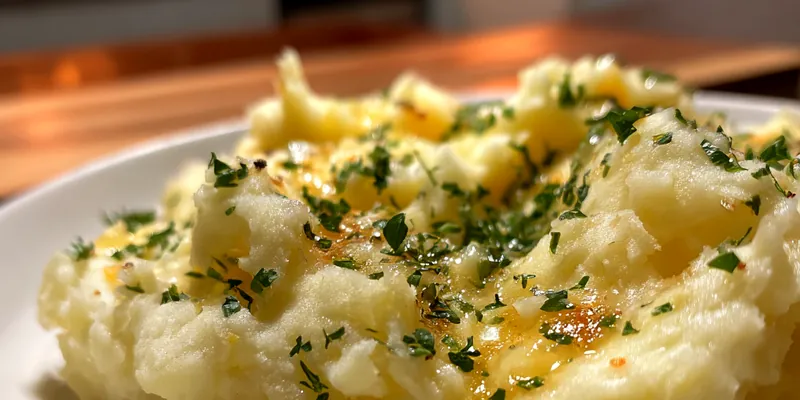
Why This Creamy Mashed Potatoes Works
The technique behind making perfect creamy mashed potatoes lies in the type of potatoes used and the method of cooking. Russet potatoes are ideal due to their high starch content, which contributes to a fluffy texture. Boiling the potatoes with their skins on can help retain moisture, but for traditional mashed potatoes, peeling is common. The addition of warm milk and butter ensures that the potatoes absorb the flavors while remaining smooth and creamy.
What makes these mashed potatoes special is the combination of ingredients that enhance the overall flavor. The balance of sour cream and garlic adds depth, while the optional cream cheese contributes a luxurious texture. Seasoning with just the right amount of salt and pepper allows the natural potato flavor to shine through. This recipe is not only simple but also adaptable, making it easy to customize based on personal preferences or dietary needs.
💡 Professional Tip
For the best results, always use room temperature ingredients like butter and milk. This allows for better integration into the potatoes, ensuring a smooth consistency. If you prefer your mashed potatoes extra creamy, consider using a food processor or stand mixer to achieve that perfect texture. Don't forget to taste and adjust the seasoning as you go; it can make all the difference in elevating the dish.
Frequently Asked Questions
Yes, you can prepare Creamy Mashed Potatoes ahead of time. Simply follow the recipe and store the mashed potatoes in an airtight container in the refrigerator for up to 2 days. When you're ready to serve, reheat them gently on the stovetop or in the microwave. If they seem a bit dry, add a splash of milk or a pat of butter to restore creaminess.
For a lighter version, consider using low-fat milk or Greek yogurt instead of sour cream. You can also swap russet potatoes for Yukon Gold potatoes for a slightly buttery flavor. If you're looking for a dairy-free option, try using almond or oat milk combined with vegan butter. These substitutions will still yield delicious results while accommodating different dietary preferences.
To determine if the potatoes are done cooking, simply pierce them with a fork. If the fork goes in easily and the potatoes break apart without resistance, they are ready to be drained. Avoid overcooking, as this can lead to watery mashed potatoes. Keep an eye on the time, and check for doneness around the 15-minute mark.
Yes, Creamy Mashed Potatoes can be frozen for up to 2 months. Allow them to cool completely before transferring to an airtight freezer-safe container. When ready to enjoy, thaw them in the refrigerator overnight. Reheat thoroughly on the stovetop or in the microwave, adding a little milk or cream to restore their creamy texture.
Creamy Mashed Potatoes pair beautifully with a variety of main dishes. They are a classic accompaniment to roasted meats such as turkey, beef, or chicken. You can also serve them alongside hearty vegetarian dishes like mushroom gravy or lentil loaf. For a festive touch, top them with sautéed greens or caramelized onions for added flavor and presentation.
Creamy Mashed Potatoes can be stored in the refrigerator for up to 3 days. Ensure they are in a tightly sealed container to maintain freshness. When storing, it's best to let them cool to room temperature first. Reheat as needed, and if they dry out, simply add a bit of milk or butter to revive their creamy consistency.
You can easily adjust the spice level of Creamy Mashed Potatoes by adding more or less garlic, or even incorporating other spices such as paprika or cayenne pepper. For a milder flavor, reduce the amount of garlic or omit it altogether. Experimenting with seasonings allows you to personalize the dish to suit your taste preferences.
The best way to reheat Creamy Mashed Potatoes is on the stovetop over low heat. Stir frequently to prevent sticking and ensure even heating. You may want to add a splash of milk or cream to restore their creamy texture. Alternatively, you can use the microwave, heating in short intervals and stirring in between.
Recipe Troubleshooting Guide
Too Dry
Problem: If your mashed potatoes are too dry, it may be due to using insufficient liquid or over-mashing them.
Solution: To remedy this, add a bit of warm milk or melted butter gradually until you reach the desired creaminess. Stir gently to incorporate without making them gummy.
Not Crispy
Problem: Crispy edges are usually not a feature of creamy mashed potatoes, but if you desire a crispy top after baking, they may not have been broiled long enough if baked.
Solution: To achieve a crispy top, place the mashed potatoes under the broiler for a few minutes until golden brown, monitoring closely to prevent burning.
Overcooked
Problem: Overcooked potatoes can become gummy and lose their fluffiness.
Prevention: To avoid this, always check for doneness around the 15-minute mark and drain them immediately once tender. If overcooked, you can try adding more liquid to help revive some fluffiness.
Undercooked
Problem: Undercooked potatoes will be hard and not mash well.
Recovery: If you find that your potatoes are undercooked, simply return them to the pot with a bit of water and cook until tender. Be sure to keep an eye on them to avoid overcooking.
Burnt
Problem: Burning can happen if you cook the potatoes over too high a heat or if they are left unattended.
Prevention: To prevent burning, always cook on medium heat and stir occasionally. If they do burn slightly, immediately transfer them to a new pot to salvage the remaining potatoes.
Flavor Balance
Too Sweet: If the mashed potatoes taste too sweet, it could be from the type of potatoes used.
Too Salty: If they're too salty, you can balance the flavor by adding more potatoes or a little cream to dilute the saltiness.
Bland: If the flavor is too bland, consider adding more salt, pepper, or even a hint of garlic powder for added depth.
Key Ingredients
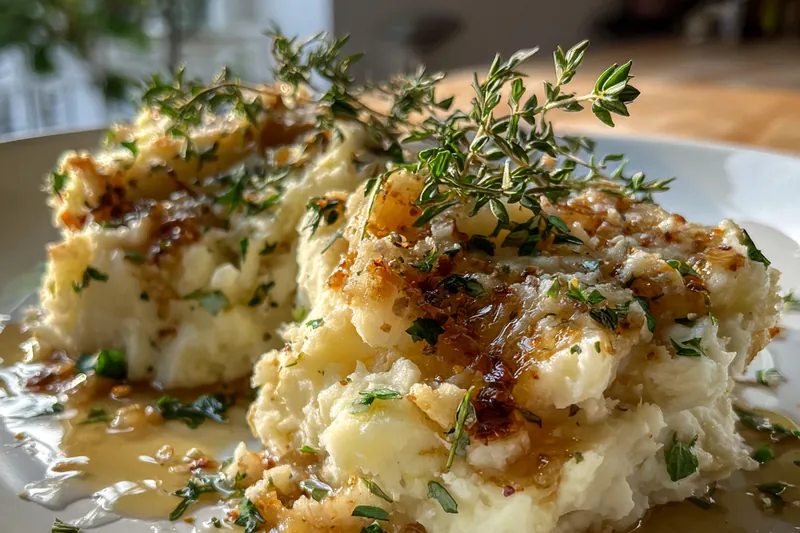
The main ingredient in Creamy Mashed Potatoes is, of course, the potatoes. Russet potatoes are preferred because of their high starch content, which yields a fluffy texture when mashed. These potatoes soak up flavors beautifully, allowing for the rich buttery taste to shine through. The use of unsalted butter adds creaminess without the overwhelming saltiness, making it easier to control seasoning throughout the cooking process.
Sour cream adds a tangy flavor that complements the richness of the potatoes and butter. Garlic provides aromatic depth, while milk contributes to the overall creaminess. Optional ingredients like cream cheese and nutmeg can elevate the dish further, offering unique flavor profiles that can be adjusted based on personal preference. Together, these ingredients create a harmonious blend that results in a comforting and satisfying side dish.
Essential Ingredient Notes
- Main Ingredient: Russet potatoes are the best choice for creamy mashed potatoes due to their fluffy texture when cooked. Their high starch content allows them to absorb butter and milk easily. Avoid waxy potatoes like red or new potatoes, as they can result in a gummy texture. Always peel them for the smoothest consistency.
- Second Key Ingredient: Unsalted butter is essential for creating a rich and creamy texture without overwhelming saltiness. Using unsalted butter allows you to better control the seasoning of your dish. For a gourmet touch, consider browning the butter before adding it to the potatoes for a nutty flavor. Always add butter to warm potatoes to ensure it melts evenly.
- Essential Seasoning: Salt is crucial in enhancing the flavor of your creamy mashed potatoes. Always add salt to the boiling water when cooking the potatoes to season them from the inside out. Additionally, taste your mashed potatoes before serving to adjust seasoning to your liking. Black pepper adds a subtle warmth and is a great finishing touch.
Cooking Process
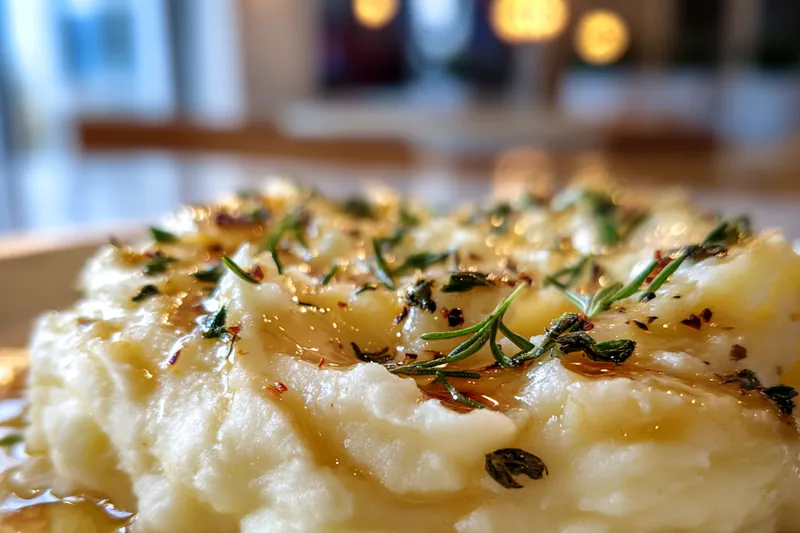
The cooking process starts with peeling and quartering the russet potatoes. After placing them into a pot, they should be covered with cold water and seasoned with salt. Once the water reaches a boil, reduce the heat and allow them to simmer until fork-tender. This method ensures the potatoes cook evenly and absorb the flavors well.
After draining the potatoes, they should be returned to the pot for mashing. The warmth of the potatoes helps to melt the butter and incorporate the milk smoothly. Once you've added your seasonings, mix everything until you achieve your desired level of creaminess. Finally, serve warm and enjoy the rich, buttery flavor of these delightful mashed potatoes.
Key Technique
One of the key techniques in making perfect mashed potatoes is to avoid over-mashing. Over-mashing can lead to a gluey texture, which is not what you want. Instead, mash just until smooth and then mix in your other ingredients. Using a ricer or food mill can help achieve an ultra-smooth texture without overworking the potatoes, ensuring a creamier end result.
Creamy Mashed Potatoes
📋 Ingredients
Main Ingredients
- 1 cup whole milkfor creaminess
- 1/2 cup sour creamadds tanginess
- 2 cloves garlic, mincedfor flavor
Sauce/Seasoning
- 2 pounds russet potatoes, peeled and quarteredmain ingredient
- 1/2 cup unsalted butter, softenedfor richness
- 1/4 cup cream cheese (optional)for extra creaminess
Instructions
Boil the Potatoes
Place the peeled and quartered potatoes in a large pot. Fill the pot with enough cold water to cover the potatoes by about an inch. Add a generous pinch of salt and bring to a boil over high heat.
Cook Until Tender
Once boiling, reduce heat to medium and let the potatoes simmer. Cook for about 15-20 minutes or until the potatoes are fork-tender. Drain the potatoes and return them to the pot.
Mash the Potatoes
Using a potato masher or a ricer, mash the potatoes until smooth. For a creamier texture, you can use a hand mixer on low speed to blend the potatoes further.
Recipe Notes & Tips
Storage Tips
To store your creamy mashed potatoes, let them cool completely before placing them in an airtight container. They can be kept in the refrigerator for up to three days. If you want to freeze them, ensure they are in a freezer-safe container for up to two months. When reheating, add a bit of milk to restore creaminess.
Serving Ideas
Creamy mashed potatoes make a versatile side dish, pairing well with roasted meats, poultry, or even vegetarian dishes. You can serve them with gravy, herbs, or as a base for a shepherd's pie. For a fun twist, consider topping them with crispy bacon bits, cheese, or a drizzle of olive oil for added flavor.
Variations
For a twist on the classic recipe, try adding roasted garlic or cheese for extra flavor. You can also experiment with different herbs like rosemary or thyme. For a healthier option, consider substituting some of the potatoes with cauliflower. Each variation allows you to customize your mashed potatoes to suit your taste.