Lemon Meringue Pie
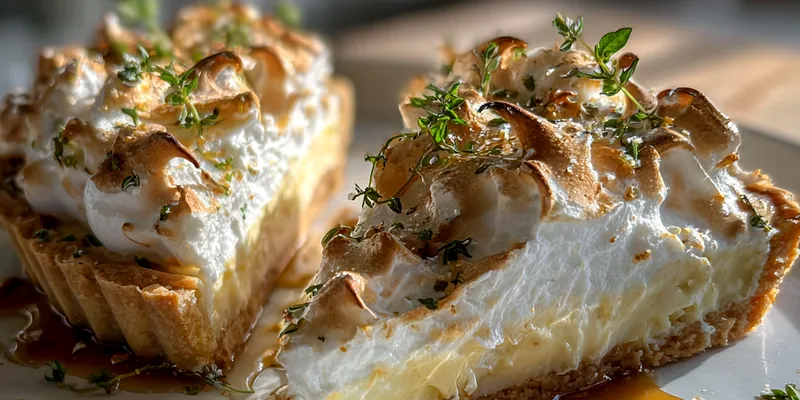
Lemon Meringue Pie is a delightful dessert that perfectly balances the tartness of lemon with the sweetness of meringue. Originating from the 19th century, this pie has become a classic American favorite, ideal for family gatherings and special occasions. The combination of a crisp pie crust, smooth lemon filling, and airy meringue creates a harmonious blend of textures and flavors. It’s a showstopper that impresses everyone at the table, making it a must-try for any dessert lover.

Why This Lemon Meringue Pie Works
The key to a successful Lemon Meringue Pie lies in the balance of flavors and textures. The tangy lemon filling is complemented perfectly by the light, airy meringue. The science of cooking the filling just right ensures it sets without being overly firm, making each slice a delight. Using fresh ingredients, particularly fresh lemons, enhances the overall flavor, making it vibrant and refreshing.
What makes this pie special is its versatility and timeless appeal. It's perfect for summer picnics, holiday gatherings, or as a sweet treat to brighten any day. The contrast between the bright, zesty filling and the soft, sweet meringue creates a memorable taste experience. Additionally, this pie is easy to make, making it accessible even for novice bakers.
💡 Professional Tip
For the best results, ensure your mixing bowl and beaters are completely clean and free of grease before whipping the egg whites. This will help achieve maximum volume for the meringue. Additionally, avoid overbaking the meringue; once it turns golden brown, remove it from the oven to prevent it from becoming tough. Lastly, let the pie cool completely before slicing to ensure clean cuts.
Frequently Asked Questions
Yes, you can make Lemon Meringue Pie ahead of time, but it's best to add the meringue just before serving. This way, the meringue stays fluffy and doesn't weep. You can prepare the lemon filling and crust and store them separately in the refrigerator for up to two days. Just remember to bake the meringue right before serving for optimal texture.
If you're looking for substitutions, you can use a store-bought lemon curd instead of making your own filling. Coconut sugar can be a great substitute for granulated sugar if you prefer a less refined option. For those with dietary restrictions, consider using aquafaba (the liquid from canned chickpeas) in place of egg whites for the meringue. However, this may alter the flavor slightly.
The Lemon Meringue Pie is done when the meringue is golden brown and the filling is set. You can gently shake the pie to see if the filling jiggles slightly; it should not be liquid. If the meringue starts to brown too quickly, cover it loosely with foil to prevent burning. Allow the pie to cool completely for the best results.
It's not recommended to freeze Lemon Meringue Pie due to the meringue's texture. However, you can freeze the lemon filling and pie crust separately. Once thawed, reassemble the pie and add fresh meringue before serving. If you do freeze the complete pie, be aware that the meringue may become soggy upon thawing.
Lemon Meringue Pie pairs wonderfully with a dollop of whipped cream for added richness. Fresh berries, such as strawberries or blueberries, also complement the tartness of the pie. A scoop of vanilla ice cream can add a creamy texture that balances the flavors beautifully. Additionally, a cup of tea or coffee makes for a delightful accompaniment.
You can store Lemon Meringue Pie in the refrigerator for up to 2-3 days. Cover it loosely with plastic wrap to avoid the meringue becoming too sticky. However, for the best taste and texture, it's recommended to consume it within the first day after making it. Always refrigerate leftovers promptly to maintain freshness.
For Lemon Meringue Pie, spices are typically not used, but you can adjust the lemon juice to taste if you prefer a more or less tangy flavor. If you want to add a hint of spice, consider incorporating a pinch of ginger or cardamom into the lemon filling. This can add a unique twist while still keeping the classic lemon flavor front and center.
If you need to reheat Lemon Meringue Pie, do so in a low oven set at 300°F (150°C) for about 10-15 minutes. Cover the pie with foil to prevent the meringue from browning further. Avoid using a microwave, as it can make the meringue chewy and affect the texture of the filling. Enjoy it warm, but fresh is always best.
Recipe Troubleshooting Guide
Too Dry
Problem: If your meringue turns out too dry, it may have been overcooked in the oven.
Solution: To prevent this, keep a close eye on the pie while it bakes, removing it once the meringue is golden brown. Additionally, ensure that the egg whites are beaten to soft peaks before adding sugar, as overbeating can lead to a dry texture.
Not Crispy
Problem: If the pie crust is not crispy, it may not have been baked long enough before the filling was added.
Solution: To achieve a crispy crust, pre-bake the crust until it is lightly golden before filling it with the lemon mixture. This will help maintain its texture even after adding the filling.
Overcooked
Problem: If the filling has become overcooked, it may turn grainy or too thick.
Prevention: To avoid this, keep the heat at medium and stir constantly while cooking the filling. Once it thickens and begins to boil, remove it from the heat immediately to ensure a smooth consistency.
Undercooked
Problem: An undercooked filling will be runny and won't set properly.
Recovery: If this happens, return it to the heat and cook a bit longer while stirring continuously until it reaches the desired thickness.
Burnt
Problem: If the meringue burns, it can ruin the appearance and taste of the pie.
Prevention: To prevent burning, lower the oven temperature slightly and keep a close watch during the final baking stage. If necessary, cover the pie loosely with foil to shield the meringue from direct heat.
Flavor Balance
Too Sweet: If your pie is too sweet, try adding a bit more lemon juice to balance the flavor.
Too Salty: If it's too salty, ensure that the salt is measured carefully next time, as even a small amount can affect the overall taste.
Bland: For a bland taste, consider adding more lemon zest or a splash of lemon extract to enhance the flavor profile.

Key Ingredients
The main ingredients for Lemon Meringue Pie include fresh lemons, sugar, and eggs. Fresh lemons provide the vibrant flavor that defines this dessert, while sugar balances the tartness perfectly. Eggs serve as the base for both the filling and the meringue, adding richness and structure. Using high-quality ingredients will enhance the overall taste and freshness of the pie.
In terms of seasonings, lemon zest is essential for adding an extra layer of flavor. The zest contributes aromatic oils that elevate the lemon profile. Cream of tartar is crucial for stabilizing the meringue, ensuring it holds its shape and texture during baking. Lastly, a pinch of salt enhances the sweetness and balances the overall flavor of the pie.
Essential Ingredient Notes
- Main Ingredient: Fresh lemons are the star of this recipe. Their natural tartness gives the pie its signature flavor, while the zest adds aromatic depth. Choose lemons that are firm and heavy for their size, as they will yield more juice. Always zest before juicing to capture the oils in the skin for maximum flavor.
- Second Key Ingredient: Eggs play a vital role in this recipe. The yolks create a rich filling, while the whites transform into fluffy meringue. Fresh eggs yield the best results, so try to use organic or free-range if possible. Properly separating the yolks from the whites is essential for achieving the perfect meringue.
- Essential Seasoning: Cream of tartar is critical for your meringue's success. It stabilizes the egg whites, helping them to achieve their peak volume and maintain shape. Additionally, it prevents the sugar from crystallizing, which can lead to a grainy texture. If you don't have cream of tartar, you can substitute it with lemon juice or vinegar for a similar effect.

Cooking Process
The cooking process for Lemon Meringue Pie requires careful attention to detail. Begin by preparing the pie crust in advance, ensuring it is fully baked before adding the lemon filling. The filling is cooked over medium heat, where constant stirring is key to prevent lumps and overcooking. Once the filling thickens, it should be poured into the crust immediately for optimal texture.
After the filling is set, the meringue is made by whipping egg whites until stiff peaks form. This is a critical step; the meringue should be spread evenly over the filling, creating an attractive finish. Once baked, allow the pie to cool completely to allow the flavors to meld. Serving it chilled enhances the refreshing taste of the lemon.
Key Technique
The key technique in making Lemon Meringue Pie is the proper whipping of the egg whites. Ensuring your bowl and beaters are free from grease is essential for achieving maximum volume. Begin whipping the egg whites slowly before increasing the speed, adding the cream of tartar for stability. This technique will ensure your meringue is fluffy and holds its shape beautifully when baked.
Lemon Meringue Pie
📋 Ingredients
Main Ingredients
- 1 cup granulated sugarfor the filling
- 2 tablespoons cornstarchthickener for the filling
- 1/4 teaspoon saltenhances flavor
- 1 cup waterfor the filling
Sauce/Seasoning
- 1 pre-made pie crustfor the base
- 3 large egg yolksfor the filling
- 1/4 cup fresh lemon juicefor the filling
- 1 tablespoon lemon zestfor the filling
- 2 tablespoons unsalted butterfor richness
Instructions
Prepare the Pie Crust
Preheat your oven to 425°F (220°C). Place the pre-made pie crust in a pie dish and bake according to package instructions until golden brown. Set aside to cool.
Make the Lemon Filling
In a saucepan, whisk together 1 cup sugar, cornstarch, and salt. Gradually stir in 1 cup of water and cook over medium heat, stirring constantly, until the mixture thickens and begins to boil.
Add Egg Yolks
In a separate bowl, beat the egg yolks. Slowly add a small amount of the hot mixture to the yolks to temper them, then return the yolk mixture to the saucepan. Stir in lemon juice, lemon zest, and butter.
Cook the Filling
Continue cooking the lemon filling for another 2-3 minutes until it thickens further. Once done, pour the hot filling into the cooled pie crust, spreading it evenly.
Make the Meringue
In a clean bowl, beat the egg whites with cream of tartar until soft peaks form. Gradually add 1/2 cup sugar while continuing to beat until stiff peaks form.
Top the Pie
Spread the meringue over the lemon filling, ensuring it touches the edges of the crust to prevent shrinking. Use a spatula to create peaks and swirls on the meringue.
Bake the Pie
Bake in the preheated oven for 10-12 minutes or until the meringue is golden brown. Keep an eye on it to avoid burning.
Cool and Serve
Once baked, remove the pie from the oven and let it cool at room temperature. For best results, chill in the refrigerator for at least 2 hours before serving.
Recipe Notes & Tips
Storage Tips
To store your Lemon Meringue Pie, cover it loosely with plastic wrap and place it in the refrigerator. It is best consumed within two to three days for optimal freshness. If you notice any condensation on the wrap, gently dab it with a paper towel to avoid sogginess on the meringue. Never store it at room temperature as this can lead to spoilage.
Serving Ideas
Serve your Lemon Meringue Pie with a dollop of freshly whipped cream for added richness. Fresh berries such as strawberries or raspberries are excellent accompaniments, adding a pop of color and flavor. For a more indulgent treat, consider serving it alongside a scoop of vanilla ice cream. Pairing it with tea or coffee can also elevate the overall dessert experience.
Variations
For a twist on the classic, try adding a layer of blueberry compote beneath the meringue for a delightful flavor combination. You can also experiment with the citrus by incorporating lime or orange juice into the filling for a different taste. If you're looking for a lighter version, consider using a meringue made from aquafaba, which is the liquid from canned chickpeas, as a vegan alternative.