Spinach Sautéed with Garlic & Olive Oil
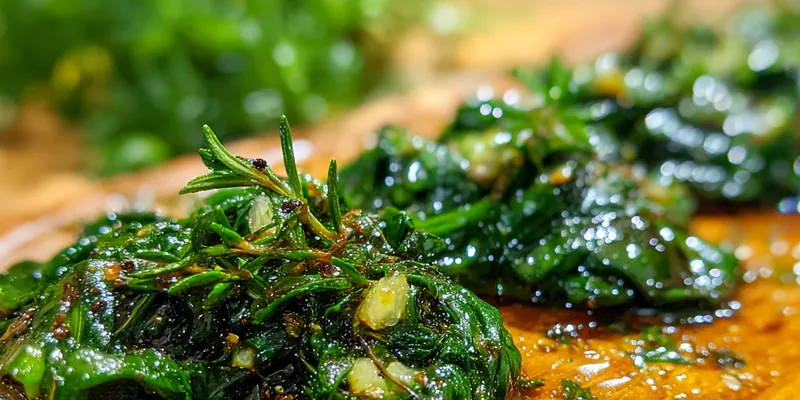
Spinach Sautéed with Garlic & Olive Oil is a simple yet flavorful dish that highlights the natural goodness of fresh spinach. This recipe brings together the earthy flavors of sautéed spinach with the aromatic punch of garlic and the richness of olive oil. Perfect for a quick weeknight dinner or as a vibrant side dish, it’s both nutritious and delicious. Whether you're serving it alongside grilled meats or incorporating it into pasta dishes, this sautéed spinach is a crowd-pleaser. Its ease of preparation makes it a go-to recipe for cooking enthusiasts and novices alike.

Why This Spinach Sautéed with Garlic & Olive Oil Works
The technique of sautéing spinach with garlic and olive oil is not only simple but also incredibly effective in enhancing the flavor of the greens. As the spinach wilts, it absorbs the aromatic oils and the essence of garlic, resulting in a dish that is both hearty and light. The quick cooking time preserves the vibrant color and nutrients of the spinach, making it not just delicious but also a healthy choice. This method ensures that the spinach retains its texture while allowing the flavors to meld beautifully. The addition of lemon juice at the end brightens the dish, making each bite refreshing and satisfying.
What makes this dish special is its versatility and ease of preparation. It can be adapted with various seasonings or additional ingredients based on your preferences. Adding a sprinkle of red pepper flakes introduces a slight heat, while optional toppings like Parmesan cheese and pine nuts add richness and crunch. This dish is not only a great accompaniment to various main courses, but it can also be enjoyed on its own as a light meal. The simplicity of the ingredients allows the natural flavors to shine, making it a staple in healthy cooking.
💡 Professional Tip
For the best results, use fresh spinach instead of frozen, as it retains more flavor and nutrients. If you want a deeper flavor profile, consider adding a splash of balsamic vinegar or a pinch of nutmeg to the sautéed spinach. Remember to cook the spinach just until wilted; overcooking can lead to a mushy texture. Always taste and adjust seasonings before serving to ensure a perfect balance of flavors. Lastly, experiment with different types of garlic, such as roasted garlic, for a unique twist.
Frequently Asked Questions
Yes, you can prepare sautéed spinach ahead of time. However, it’s best to serve it fresh for optimal texture and flavor. If you need to make it in advance, cook the spinach and store it in an airtight container in the refrigerator for up to three days. Reheat it gently in a skillet over low heat to avoid overcooking. Keep in mind that reheating may soften the spinach further, so it's best enjoyed fresh whenever possible.
If you're out of spinach, other leafy greens like kale or Swiss chard can work well as substitutes. You can also use frozen spinach if fresh is unavailable; just be sure to squeeze out excess water before sautéing. For a twist, consider adding other vegetables like Swiss chard or even broccoli. The key is to adjust cooking times as needed since different vegetables may wilt or cook at varying rates. Experimenting with different greens can yield delicious results while keeping the same flavorful base.
The spinach is done when it becomes bright green and just wilted, typically taking about 5-7 minutes to sauté. Keep an eye on it to ensure it doesn’t overcook, as it can become mushy and lose its vibrant color. You can also taste a small piece to check for doneness; it should be tender but still retain some texture. If you’re including optional ingredients like nuts or cheese, add them just before serving for the best texture and flavor.
While you can freeze sautéed spinach, it’s important to note that the texture may change after freezing and thawing. To freeze, let the cooked spinach cool completely, then transfer it to freezer-safe bags or containers. It can be stored for up to six months in the freezer. When you’re ready to use it, thaw it in the refrigerator overnight. Reheat it gently on the stove or in the microwave, but be mindful of moisture to prevent it from becoming too soggy.
Sautéed spinach pairs wonderfully with a variety of dishes. It complements grilled proteins like chicken, fish, or steak beautifully. Additionally, it can enhance pasta dishes, serving as a vibrant side or mixed directly into salad. Consider serving it alongside quinoa or rice for a nutritious meal. For a complete plate, add some crusty bread to soak up the delicious garlicky oil.
Sautéed spinach can be stored in the refrigerator for up to three days in an airtight container. Make sure it’s cooled down before sealing to prevent condensation. If you want to keep it longer, freezing is an option, though be mindful of texture changes. Always check for any off smells or colors before consuming leftovers. Reheat gently and enjoy it as part of another meal.
To adjust the spice level in sautéed spinach, you can increase or decrease the amount of red pepper flakes according to your preference. If you prefer a milder flavor, you can omit the flakes altogether. For those who enjoy more heat, consider adding a dash of cayenne pepper or even a splash of hot sauce. Always start with a small amount and taste as you go to achieve your desired level of spice without overwhelming the dish.
The best way to reheat sautéed spinach is in a skillet over low heat. This method helps retain its texture and prevents overcooking. Alternatively, you can microwave it in short intervals, stirring in between to heat evenly. Avoid high heat, as it can make the spinach soggy. Adding a splash of olive oil or a few drops of water can help maintain moisture during reheating.
Recipe Troubleshooting Guide
Too Dry
Problem: If the sautéed spinach turns out too dry, it may be due to insufficient olive oil or overcooking.
Solution: To remedy this, you can drizzle a little more olive oil over the spinach before serving. This will help revive the flavors and provide moisture. Alternatively, a splash of vegetable broth can also add moisture without adding extra calories.
Not Crispy
Problem: If your spinach is not crispy, it might have been cooked at a low temperature, or it was overcrowded in the pan.
Solution: Ensure that the skillet is hot enough before adding the spinach, and avoid overloading the pan. Cooking in batches can help achieve a better texture. If you prefer a crispy texture, consider using a higher heat briefly and tossing frequently.
Overcooked
Problem: Overcooked spinach can become mushy and lose its vibrant color, taking away its appealing texture.
Prevention: To avoid this, keep a close eye on the cooking time and remove the spinach from heat once it’s wilted. If you have overcooked it, you can try adding a splash of lemon juice or vinegar to brighten it up.
Undercooked
Problem: If the spinach is undercooked, it may feel tough or chewy, lacking the tender texture that sautéed spinach should have.
Recovery: Simply return the spinach to the skillet and cook for a few more minutes until it reaches the desired tenderness. Make sure to stir frequently to ensure even cooking throughout.
Burnt
Problem: If your sautéed spinach has burnt bits, it could be due to cooking at too high a temperature or not stirring enough.
Prevention: To prevent burning, always start with medium heat and keep an eye on the spinach as it cooks. Stir frequently to ensure even cooking. If you accidentally burn it, try to salvage the unburnt parts and consider adding fresh ingredients to mask any bitterness.
Flavor Balance
Too Sweet: If the dish tastes too sweet, it could be due to an excess of certain ingredients like onions or even the natural sweetness of cooked spinach.
Too Salty: If your spinach is too salty, it may result from over-seasoning or the addition of salty cheese. You can balance this with a squeeze of lemon juice or serve with a neutral side dish.
Bland: For bland sautéed spinach, consider adding more seasoning or a splash of vinegar for acidity. A touch of garlic powder or extra fresh garlic can also elevate the flavors significantly.
Key Ingredients
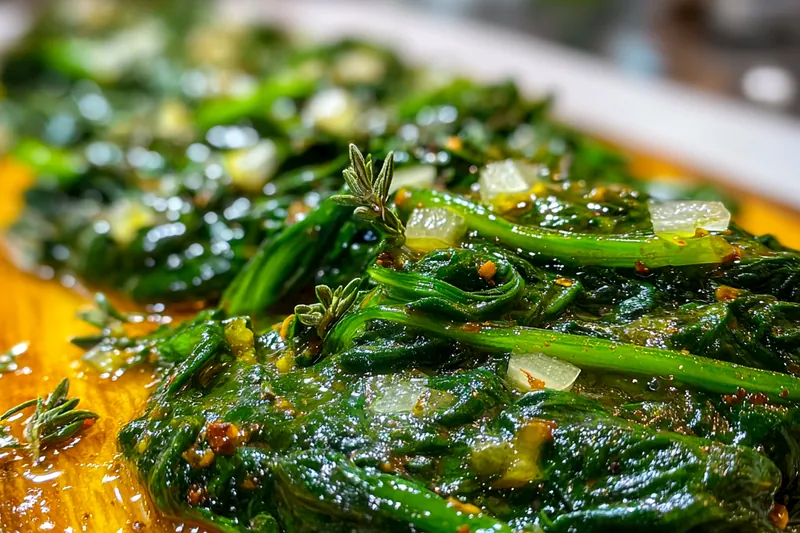
The main ingredient in this dish is spinach, a nutrient-dense leafy green packed with vitamins A, C, and K, as well as iron and calcium. Fresh spinach is highly recommended for its flavor and texture, although frozen can be used in a pinch. The spinach is sautéed to preserve its vibrant color and nutritional benefits while creating a delicious flavor. The dish is simple, allowing the natural taste of the spinach to shine through. You can also experiment with different greens like kale for a unique twist.
Garlic is another essential component, providing a robust flavor that enhances the spinach. The use of extra virgin olive oil not only adds richness but also brings healthy fats and antioxidants to the dish. Seasonings like salt, pepper, and red pepper flakes offer depth and a hint of heat. Optional ingredients like Parmesan cheese can enrich the dish further, adding a savory note that complements the earthiness of the spinach. Together, these ingredients create a harmonious balance that makes this recipe a favorite.
Essential Ingredient Notes
- Main Ingredient: Fresh spinach is the star of this dish, offering numerous health benefits. It is low in calories and high in nutrients, making it a great choice for those looking to eat healthier. When selecting spinach, look for vibrant, crisp leaves free of yellowing or wilting. Proper washing and trimming are essential to remove any grit and enhance the flavor.
- Second Key Ingredient: Garlic is crucial in this recipe and adds a distinct flavor profile that elevates the spinach. Freshly minced garlic brings out the best flavors, and its health benefits are numerous, including anti-inflammatory properties. Be careful not to burn the garlic, as this can lead to a bitter taste. Adjust the amount based on your personal preference for garlic intensity.
- Essential Seasoning: Olive oil is not only a cooking medium but also a key ingredient that adds richness to the dish. Extra virgin olive oil is preferred for its superior flavor and health benefits, including heart-healthy fats. It is important to use the right amount to avoid a greasy texture while enhancing the overall taste. Seasoning with salt and pepper is essential to bring out the natural flavors of the spinach.
Cooking Process
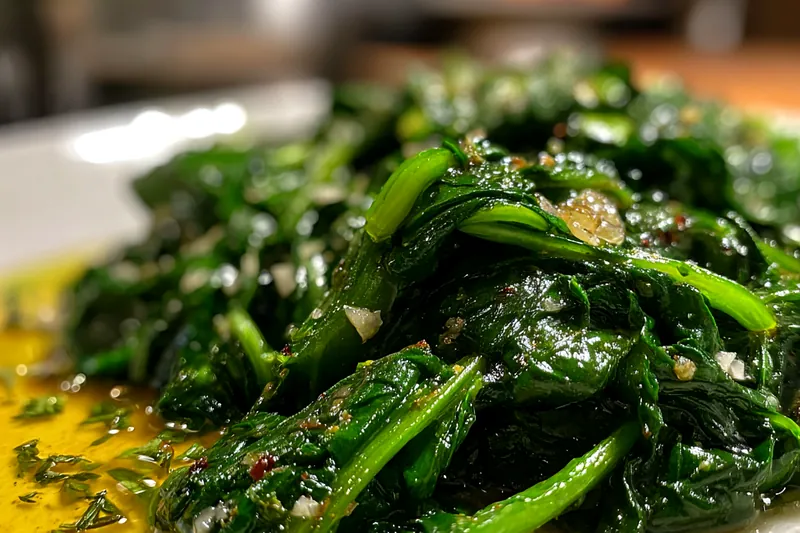
The cooking process for sautéed spinach is straightforward yet requires attention to detail. Begin by heating olive oil in a skillet over medium heat; this allows the oil to infuse with garlic flavor without burning it. As you add the fresh spinach, remember that it will wilt significantly, so don’t be alarmed if it seems like too much. The key is to stir frequently to ensure even cooking and to prevent the garlic from burning.
Once the spinach has wilted, season it appropriately with salt, pepper, and red pepper flakes. The final touch of lemon juice will brighten the dish, making the flavors pop. If you wish to add optional ingredients like Parmesan cheese or pine nuts, do so at the end for the best texture. Serve the sautéed spinach warm, either as a side dish or integrated into other meals for a nutrient boost.
Key Technique
The key technique in this recipe is the proper sautéing of spinach to achieve the ideal texture and flavor. Using high heat for a short amount of time is crucial in ensuring that the spinach retains its bright green color and nutrients. Stirring frequently prevents the garlic from burning and promotes even cooking. Additionally, adding acid, such as lemon juice, at the end brightens the dish, enhancing the overall flavor profile. This technique not only enhances the dish but also showcases the natural beauty of the spinach.
Spinach Sautéed with Garlic & Olive Oil
📋 Ingredients
Main Ingredients
- 1/4 cup extra virgin olive oiladds richness and flavor
- 4 cloves garlic, mincedfor aromatic flavor
- 1 teaspoon saltto enhance flavors
- 1/2 teaspoon black pepperfor seasoning
- 1/2 teaspoon red pepper flakesfor a touch of heat
Sauce/Seasoning
- 2 pounds fresh spinach, washed and trimmedmain ingredient
- 1 tablespoon lemon juiceadds brightness
- 1/4 cup grated Parmesan cheese (optional)for added richness
- 1 tablespoon pine nuts (optional)for crunch
- 1/2 teaspoon garlic powder (optional)for additional flavor
- 1/4 teaspoon nutmeg (optional)for a unique twist
Instructions
Prepare the Ingredients
Start by washing the spinach thoroughly to remove any dirt or grit. Trim any tough stems and set aside. Mince the garlic cloves and measure out the olive oil and seasonings.
Heat the Olive Oil
In a large skillet, heat the olive oil over medium heat. Allow it to warm for a minute before adding the minced garlic. Infuse the oil with garlic for about 30 seconds until fragrant, being careful not to let it burn.
Add Spinach to the Skillet
Once the garlic is aromatic, add the fresh spinach to the skillet. It may overflow initially, but it will quickly reduce in volume. Toss the spinach gently in the oil and garlic.
Season the Spinach
Sprinkle in the salt, black pepper, and red pepper flakes. Continue to sauté the spinach for about 5-7 minutes, stirring occasionally until wilted but still vibrant green.
Add Final Touches
Once the spinach is cooked, remove it from the heat. Squeeze fresh lemon juice over the top and toss to combine. If desired, add grated Parmesan cheese and pine nuts for extra flavor and texture.
Serve
Transfer the sautéed spinach to a serving dish. It can be served warm as a side dish or as part of a main meal, like with grilled chicken or fish.
Recipe Notes & Tips
Storage Tips
Sautéed spinach can be stored in the refrigerator for up to three days. Make sure it is cooled completely before placing it in an airtight container. For longer storage, consider freezing, although the texture may change. When reheating, do so gently to maintain flavor and moisture.
Serving Ideas
Serve sautéed spinach alongside grilled meats, fish, or as part of a pasta dish. It can also be enjoyed on its own as a light meal or added to salads for extra nutrients. Pair it with crusty bread to soak up the delicious garlic and olive oil flavors for a complete meal.
Variations
Feel free to experiment by adding other ingredients such as sun-dried tomatoes or mushrooms for added flavor. You can also try different herbs such as basil or parsley for a fresh twist. Adjust the seasoning based on personal preference, making this dish as unique as you want.