Tabbouleh
Tabbouleh is a vibrant and refreshing salad that hails from the Middle East, known for its bright flavors and healthy ingredients. This dish highlights fresh herbs, particularly parsley and mint, combined with bulgur wheat, tomatoes, and cucumbers. It's a versatile dish that can be served as a side or enjoyed as a light meal. Tabbouleh is not just delicious but also offers numerous health benefits, being rich in vitamins and minerals. The crunchy texture of vegetables and the zesty dressing make it a favorite among many.

Why This Tabbouleh Works
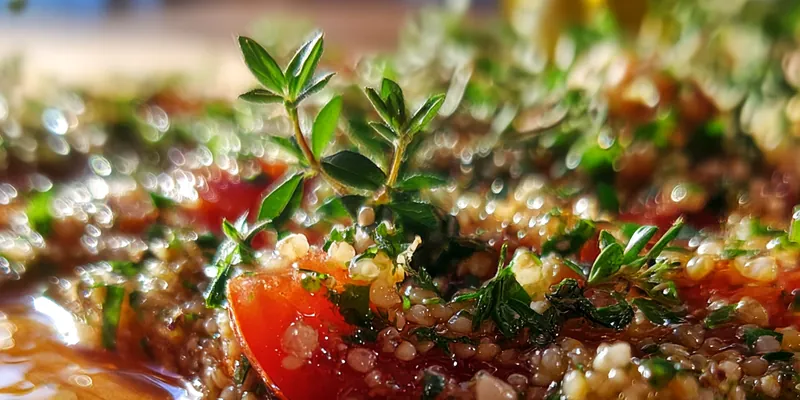
The secret to a great Tabbouleh lies in the balance of fresh ingredients and the proper technique in preparing them. Using fine bulgur wheat ensures that it absorbs the dressing well, allowing the flavors to meld beautifully. The freshness of parsley and mint is non-negotiable; they add a bright, aromatic profile to the dish. Additionally, chopping vegetables finely allows for a more cohesive texture, making each bite equally flavorful.
What makes this Tabbouleh special is its vibrant colors and textures. The crunchy cucumbers and juicy tomatoes provide a delightful contrast to the soft, fluffy bulgur. The zesty lemon juice and rich olive oil dressing elevate the overall flavor, creating a refreshing experience. This dish is not only delicious but also visually appealing, making it a great addition to any meal.
💡 Professional Tip
For the best flavor, always use fresh herbs and quality olive oil. If you can find it, opt for Lebanese or Turkish bulgur for a more authentic taste. Adjust the lemon juice and olive oil to your preference, some might enjoy a zestier salad. Lastly, letting the Tabbouleh rest allows the flavors to develop, so make it ahead of time when possible.
Frequently Asked Questions
Yes, Tabbouleh can be made ahead of time, which actually enhances its flavor as it allows the ingredients to marinate together. Prepare it up to a day in advance and store it in the refrigerator. Just be sure to keep it in an airtight container to maintain freshness. Before serving, give it a good stir and adjust the seasoning if needed.
If you don't have bulgur, quinoa or couscous can be great substitutes, offering a similar texture. You can also experiment with different herbs; for example, cilantro can add a unique twist. Additionally, if you're looking for a gluten-free option, using cauliflower rice is a popular choice that works well. Just keep in mind that the flavor profile may change slightly depending on your substitutions.
The bulgur should be tender but still have a slight bite when ready. After soaking, if you find it too hard, you can add a bit more water and let it sit longer. When combined with the vegetables, the salad should look vibrant and fresh. If the flavors are well balanced and the herbs are aromatic, your Tabbouleh is ready to serve.
Freezing Tabbouleh is not recommended as it can alter the texture of the vegetables and herbs. Fresh ingredients like tomatoes and cucumbers may become mushy when thawed. If you have leftover Tabbouleh, consider storing it in the refrigerator for a few days instead. It’s best enjoyed fresh, so make small batches if you're unsure about leftovers.
Tabbouleh pairs wonderfully with grilled meats such as chicken or lamb, adding a refreshing contrast to the rich flavors. It's also an excellent side dish for Mediterranean meals, served alongside hummus and pita bread. For a light lunch, enjoy it with a dollop of yogurt or as part of a mezze platter. The versatility of Tabbouleh makes it suitable for various occasions.
Stored properly in the refrigerator, Tabbouleh can last about 3 days. After that, the vegetables may begin to lose their crispness. To maintain its freshness, use an airtight container and avoid adding the dressing until you're ready to serve. If it starts to look wilted, it's best to discard it.
Tabbouleh is typically not spicy, but you can add a kick if you prefer. Consider incorporating finely chopped jalapeños or a dash of cayenne pepper to the dressing. Start with a small amount and taste as you go to ensure you achieve the desired heat. Remember, the key is to keep the salad balanced, so adjust according to your taste.
Tabbouleh is best enjoyed cold or at room temperature, so reheating is generally not necessary. However, if you prefer it warm, gently warming it in a skillet over low heat can be an option. Avoid high temperatures that can cook the vegetables, as you want to preserve their freshness. Always add a splash of olive oil and lemon juice when reheating to brighten the flavors.
Recipe Troubleshooting Guide
Too Dry
Problem: If your Tabbouleh turns out too dry, it may be due to using too much bulgur or not enough dressing.
Solution: Add a bit more olive oil and lemon juice to moisten the salad. Toss well to combine, allowing the flavors to blend more evenly.
Not Crispy
Problem: A lack of freshness in the herbs and vegetables can lead to a less crispy Tabbouleh.
Solution: Make sure to use fresh, vibrant ingredients. If your salad has been sitting for too long, it may lose its crispness; consider making smaller batches.
Overcooked
Problem: If the bulgur is overcooked, it can become mushy and lose its texture.
Prevention: To fix this, you can try adding more fresh vegetables or a bit of lemon juice to bring back some acidity and freshness. However, it's best to watch the cooking time closely in the future.
Undercooked
Problem: If the bulgur is still hard after soaking, it may not have absorbed enough water.
Recovery: Add a little more hot water to the bulgur, cover, and let it sit for another 10-15 minutes until tender. Fluff it with a fork before mixing with the other ingredients.
Burnt
Problem: If you accidentally burnt the bulgur, it can impart an unpleasant flavor to the dish.
Prevention: Unfortunately, burnt bulgur cannot be salvaged, so it's best to start with a new batch. Be sure to monitor cooking times closely to prevent this in the future.
Flavor Balance
Too Sweet: If your Tabbouleh is too sweet, likely too much tomato or dressing has been added.
Too Salty: If it's too salty, reduce the salt next time and consider rinsing the bulgur before cooking to remove excess sodium.
Bland: For a bland salad, increase the amount of lemon juice or add more herbs to enhance the flavor.
Key Ingredients
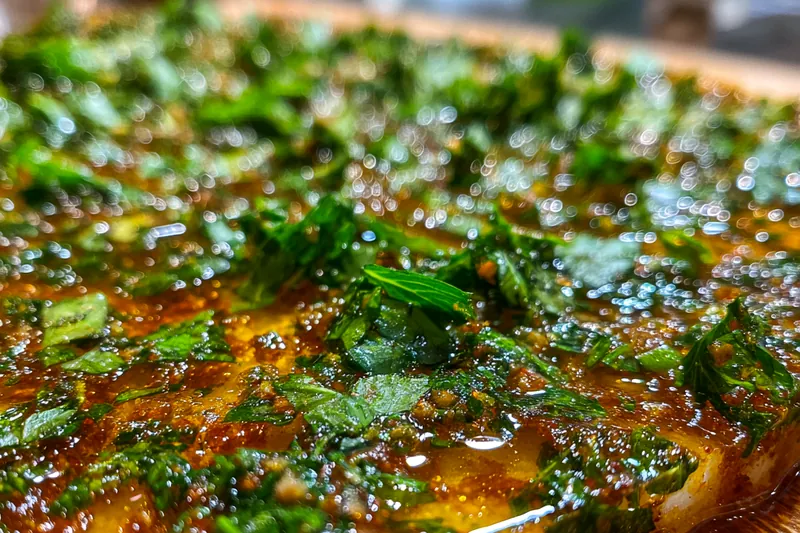
The main ingredient in Tabbouleh is bulgur wheat, which adds a nutty flavor and chewy texture. It’s essential to use fine bulgur for the best results, as it absorbs flavors well and hydrates easily. Fresh parsley is another key ingredient, providing a vibrant green color and a fresh taste. Mint leaves add a refreshing aroma that complements the other flavors beautifully.
Seasonings play a crucial role in enhancing the overall taste of Tabbouleh. Fresh lemon juice is essential for its zesty brightness, while quality olive oil adds richness. Salt and pepper should be adjusted to taste, ensuring a well-balanced flavor. A hint of garlic can also be incorporated for an extra layer of depth, but it’s optional depending on your preference.
Essential Ingredient Notes
- Main Ingredient: Bulgur wheat is the star of Tabbouleh and should be prepared carefully. Choose fine bulgur for the best texture. The soaking process is vital; it should be just enough to soften it without making it mushy. Always rinse the bulgur before soaking to remove any impurities.
- Second Key Ingredient: Fresh parsley is fundamental for Tabbouleh, as it adds a bright flavor and color. Make sure to chop it finely, as this enhances its aroma and allows it to blend seamlessly with the other ingredients. Using flat-leaf parsley is recommended for a more robust taste. Freshness is key, so avoid wilted or yellowed leaves.
- Essential Seasoning: Fresh lemon juice elevates Tabbouleh by adding acidity and brightness. Always use freshly squeezed lemon juice for the best flavor, as bottled varieties can taste artificial. Adjust the amount according to your taste preference, but a good rule of thumb is about a quarter cup for a balanced salad. Combining lemon juice with quality olive oil creates a delightful dressing that ties everything together.
Cooking Process
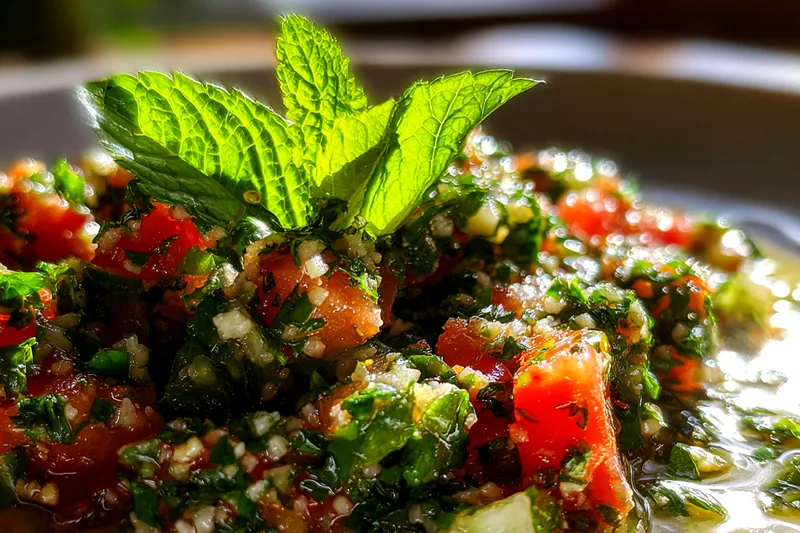
To cook Tabbouleh, begin by rinsing the bulgur wheat thoroughly under cold water. In a saucepan, bring water to a boil, then add the bulgur, stirring briefly. Remove from heat, cover, and allow it to soak until tender. This method ensures that the bulgur absorbs the water and becomes fluffy, making it the perfect base for the salad.
Once the bulgur is prepared, it’s time to combine it with the fresh vegetables and herbs. Carefully chop the parsley and mint, and dice the vegetables to your liking. Mix these with the bulgur in a large bowl, then dress with olive oil and lemon juice. Allow the salad to chill for a while; this melding of flavors is where the magic happens!
Key Technique
The key technique for Tabbouleh lies in the preparation of the bulgur and the chopping of herbs and vegetables. Rinse and soak the bulgur properly to achieve the right texture. Finely chopping the herbs releases essential oils and flavors, crucial for a fresh taste. Mixing the ingredients gently ensures that they maintain their texture while being well-coated with the dressing.
Tabbouleh
📋 Ingredients
Main Ingredients
- 1/4 cup olive oilfor dressing
- 1/4 cup fresh lemon juicefor dressing
Sauce/Seasoning
- 1 cup bulgur wheat, rinsed and drainedbase of the salad
- 2 cups waterfor soaking bulgur
- 1 cup fresh parsley, finely choppedmain herb
- 1/2 cup fresh mint leaves, finely choppedadds freshness
- 1 medium tomato, dicedfor flavor
- 1/2 cucumber, dicedfor crunch
- 1/4 cup red onion, finely choppedfor sweetness
Instructions
Prepare the Bulgur
In a medium saucepan, bring 2 cups of water to a boil. Add the bulgur wheat, remove from heat, cover, and let it sit for about 30 minutes until the bulgur is tender and the water is absorbed.
Chop the Vegetables
While the bulgur is soaking, chop the parsley, mint, tomato, cucumber, and red onion. The freshness of these ingredients is crucial for a vibrant Tabbouleh.
Combine Ingredients
Once the bulgur is ready, fluff it with a fork and let it cool. In a large mixing bowl, combine the bulgur with the chopped vegetables and herbs.
Dress the Salad
In a small bowl, whisk together the olive oil and lemon juice. Pour the dressing over the bulgur mixture and toss to combine evenly.
Season
Add salt and pepper to taste, adjusting the seasoning as needed. This is where you can enhance the flavors of your Tabbouleh.
Chill the Tabbouleh
For best results, let the Tabbouleh chill in the refrigerator for at least 30 minutes before serving. This allows the flavors to meld together beautifully.
Serve
Serve the Tabbouleh cold or at room temperature as a refreshing side dish or a light main course. Enjoy with pita bread or grilled meats.
Recipe Notes & Tips
Storage Tips
To keep Tabbouleh fresh, store it in an airtight container in the fridge. It’s best consumed within three days for optimal flavor and texture. Avoid adding the dressing until you're ready to serve to maintain freshness. If it starts to look wilted, it's time to discard it.
Serving Ideas
Tabbouleh makes a great side dish alongside grilled meats or as part of a mezze platter with hummus and pita. You can also serve it as a refreshing lunch option on its own or topped with grilled chicken. For a unique twist, try adding it to wraps or sandwiches for a burst of flavor.
Variations
Feel free to experiment with Tabbouleh by adding different ingredients. Try incorporating feta cheese or olives for a Mediterranean twist. For a spicy kick, consider adding diced jalapeños or chili flakes. You can also substitute quinoa for bulgur for a gluten-free option while maintaining the salad's essence.