Vanilla Bean Cheesecake
Indulging in a slice of Vanilla Bean Cheesecake is an experience that tantalizes the taste buds. This classic dessert is known for its smooth, rich texture and the aromatic essence of vanilla beans, making it a favorite among cheesecake lovers. Originating from American cuisine, this cheesecake is perfect for any occasion, from celebrations to simple family dinners. What sets this recipe apart is the use of real vanilla beans, which lend a depth of flavor that elevates the dessert to gourmet status. With its captivating aroma and creamy consistency, it's sure to impress at your next gathering.

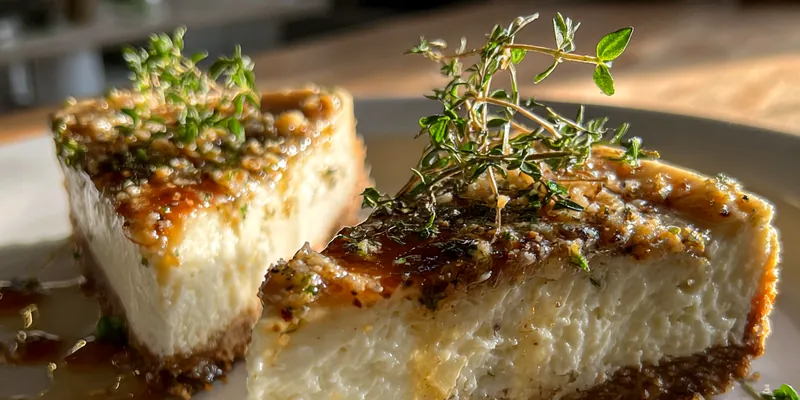
Why This Vanilla Bean Cheesecake Works
The success of a Vanilla Bean Cheesecake lies in the balance of flavors and textures. By using fresh vanilla beans alongside quality cream cheese, you achieve a luxurious mouthfeel and a depth of flavor that is simply unmatched. The combination of a buttery graham cracker crust and the smooth filling creates a delightful contrast that keeps you coming back for more. It's the perfect blend of sweet and creamy, with just a hint of tanginess from the sour cream, making each bite a heavenly experience. The baking process is also crucial; allowing it to cool slowly in the oven prevents cracks and ensures a perfectly smooth surface.
What makes this cheesecake special is not just its ingredients but also the love and tradition behind it. Each vanilla bean is handpicked, adding a unique essence that mass-produced extracts simply can't replicate. This recipe captures the essence of homemade desserts, providing a comforting taste of nostalgia that resonates with anyone who remembers their grandmother's baking. Whether served at a birthday party or as a sweet ending to a weeknight dinner, it elevates any occasion, creating lasting memories around the table.
💡 Professional Tip
For the best results, ensure all your ingredients are at room temperature before mixing. This helps to create a smoother batter and prevents lumps. Additionally, avoid overmixing once you add the eggs to keep the cheesecake light and fluffy. Lastly, remember to let the cheesecake cool gradually in the oven after baking; this step is essential for achieving that perfect texture and preventing cracks on the surface.
Frequently Asked Questions
Yes, Vanilla Bean Cheesecake can be made ahead of time, making it a great option for celebrations. It can be stored in the fridge for up to 5 days before serving. Just ensure that it's well covered to prevent it from absorbing other flavors in the refrigerator. For best results, prepare it a day or two in advance to allow the flavors to develop fully.
If you cannot find vanilla beans, you can substitute with high-quality vanilla extract. Use about 1 tablespoon of extract for every vanilla bean called for in the recipe. Additionally, you can replace sour cream with Greek yogurt for a healthier twist without sacrificing creaminess. For a gluten-free option, consider using almond flour or gluten-free graham crackers for the crust.
The cheesecake is done when the edges are set, and the center still has a slight jiggle. It will continue to cook as it cools, so be careful not to overbake. A toothpick inserted into the center should come out mostly clean but with a few moist crumbs attached. If you notice any cracks during baking, don’t worry; they can be covered with fruit or whipped cream before serving.
Yes, you can freeze Vanilla Bean Cheesecake for up to 2 months. Make sure it is completely cooled, then wrap it tightly with plastic wrap and then aluminum foil to prevent freezer burn. When ready to enjoy, thaw it in the refrigerator overnight before serving. This makes it a convenient make-ahead dessert for special occasions.
Vanilla Bean Cheesecake pairs beautifully with a variety of toppings and accompaniments. Fresh berries, such as strawberries or blueberries, add a burst of color and tartness that complements the richness of the cheesecake. A drizzle of chocolate or caramel sauce can enhance its sweetness, while a dollop of whipped cream adds a light, airy texture. For a more sophisticated touch, serve it alongside a fruit compote or a scoop of ice cream.
Vanilla Bean Cheesecake can be stored in the refrigerator for up to 5 days when properly covered with plastic wrap or in an airtight container. If you've frozen it, ensure you consume it within 2 months for the best flavor and texture. Always allow it to thaw in the fridge rather than at room temperature to maintain its creamy consistency.
This recipe doesn't involve spices in the traditional sense, but you can adjust the flavor profile by adding a hint of citrus like lemon or orange zest for brightness. Alternatively, consider incorporating spices like nutmeg or cinnamon for a warm undertone. Just be cautious with the amounts, as you want to complement the vanilla flavor rather than overpower it.
If you need to reheat Vanilla Bean Cheesecake, do so gently to avoid compromising its texture. Place a slice in the microwave for about 10-15 seconds. Alternatively, you can allow it to come to room temperature on the counter for 30 minutes before serving, which can enhance the flavors and make it more enjoyable. Avoid reheating the entire cheesecake, as this may affect its creamy consistency.
Recipe Troubleshooting Guide
Too Dry
Problem: A dry cheesecake can result from overbaking or not enough moisture in the batter.
Solution: To prevent this, ensure you don’t bake the cheesecake too long and consider adding a bit more sour cream or replacing some cream cheese with mascarpone for added richness.
Not Crispy
Problem: If the crust is not crispy, it may be due to insufficient baking time or moisture.
Solution: Make sure to bake the crust until it's golden brown and use melted butter to help bind the crumbs. Let it cool completely before adding the filling to prevent it from becoming soggy.
Overcooked
Problem: An overcooked cheesecake may have a rubbery texture and cracks on the surface.
Prevention: To avoid this, monitor the baking time closely and use a water bath to help regulate the temperature during baking. Removing it from the oven while the center is still slightly jiggly will yield a creamier texture.
Undercooked
Problem: An undercooked cheesecake will be too soft in the center and may collapse.
Recovery: Ensure that the cheesecake is baked until the edges are set and the center still jiggles slightly. If it's too soft, return it to the oven for a few additional minutes, checking frequently.
Burnt
Problem: A burnt cheesecake can occur if the oven temperature is too high or if it’s left in too long.
Prevention: Always bake at the recommended temperature and keep an eye on it as it cooks. If the top begins to brown too quickly, loosely cover it with aluminum foil to prevent further browning.
Flavor Balance
Too Sweet: If the cheesecake tastes too sweet, it can be balanced with a tart topping, like fresh berries.
Too Salty: A slight saltiness can enhance flavors, but too much can overpower the sweetness.
Bland: If the cheesecake is bland, consider adding more vanilla or a splash of citrus juice to brighten the flavor.
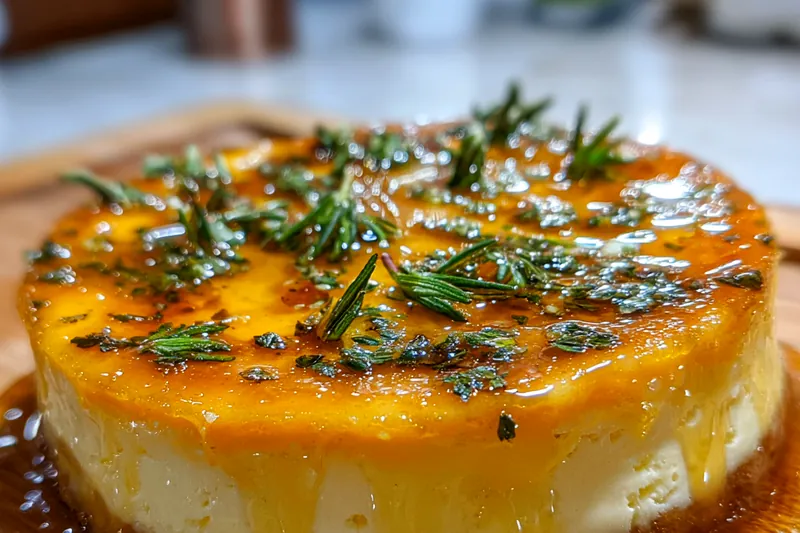
Key Ingredients
The main ingredients of Vanilla Bean Cheesecake include cream cheese, eggs, and sugar, which create a rich, creamy filling. Cream cheese provides the base of this cheesecake, offering a velvety texture and tangy flavor that is essential to its appeal. Fresh eggs help bind the ingredients together while contributing to the overall richness. The addition of sugar balances the flavors, providing the necessary sweetness that complements the creamy filling. Each ingredient plays an integral role in achieving the perfect cheesecake consistency and flavor.
Vanilla beans are the star of this recipe, elevating it from ordinary to extraordinary. Unlike vanilla extract, real vanilla beans impart a complex and aromatic flavor that permeates every bite. The seeds from the bean add visual appeal, showcasing tiny black flecks that enhance the dessert's gourmet appearance. Complementing the vanilla are ingredients like sour cream, which adds a slight tanginess and creaminess, and a touch of flour to stabilize the filling. Together, these ingredients create a symphony of flavors that make this cheesecake unforgettable.
Essential Ingredient Notes
- Main Ingredient: The main ingredient, cream cheese, is crucial for achieving the desired texture and flavor. Always opt for full-fat cream cheese for the best results, as it provides the rich, creamy consistency that characterizes a great cheesecake. Soften it to room temperature for easier mixing, ensuring a smooth batter without lumps. Avoid using low-fat or non-fat alternatives, as they can result in a cheesecake that lacks flavor and richness.
- Second Key Ingredient: Fresh vanilla beans are essential for imparting a deep and authentic vanilla flavor. When selecting vanilla beans, look for ones that are plump and fragrant, as these attributes indicate freshness and quality. Store them in an airtight container in a cool, dark place to preserve their flavor. If you can't find vanilla beans, high-quality vanilla extract can be a substitute, but the flavor will not be as intense.
- Essential Seasoning: Sour cream is an important ingredient in this cheesecake, adding a creamy texture and a slight tang that balances the sweetness. It also helps to make the cheesecake lighter and less dense. For an alternative, Greek yogurt can be used, offering a similar flavor profile while being a bit healthier. Just make sure to choose plain varieties without added flavors or sweeteners.
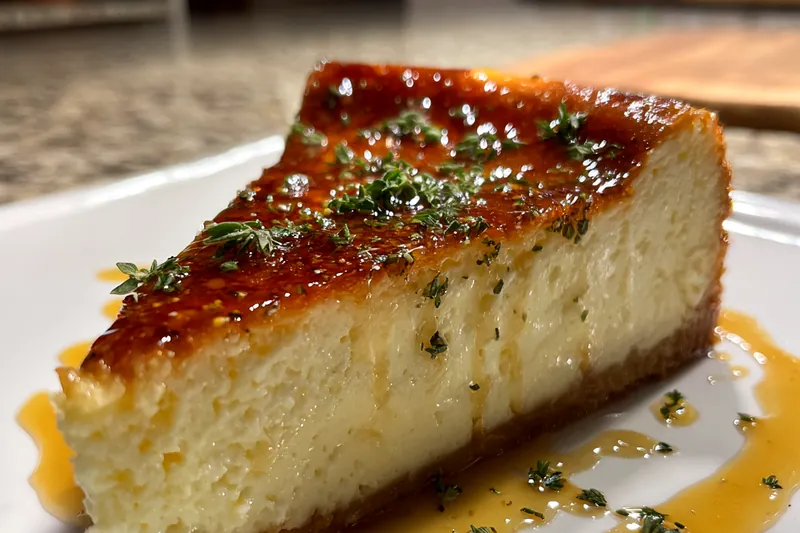
Cooking Process
Begin the cooking process by preparing the crust; this is where the foundation of flavor starts. Combine graham cracker crumbs with melted butter and sugar, pressing the mixture into the bottom of a springform pan. Bake until golden, allowing the crust to cool while you whip up the cheesecake filling. The filling is made by blending cream cheese with sugar and eggs, ensuring a smooth and airy batter. Be careful to mix only until combined to avoid incorporating too much air, which can lead to cracks.
Once the filling is ready, pour it over the cooled crust and smooth the surface with a spatula. Bake the cheesecake gently, allowing it to set gradually, and then cool it in the oven to prevent sudden temperature changes that may cause cracking. After chilling in the fridge, the cheesecake will firm up, making it easy to slice. Presentation is key; consider serving it with fresh berries or a fruit compote for an added touch of elegance.
Key Technique
One essential technique for a perfect Vanilla Bean Cheesecake is the use of a water bath during baking. This method helps regulate the temperature and moisture level, ensuring even cooking and preventing cracks. To create a water bath, place the cheesecake pan inside a larger pan filled with hot water, allowing gentle steam to envelop the cheesecake as it bakes. This technique results in a smooth, creamy texture and a beautifully set filling, elevating your cheesecake to professional quality.
Vanilla Bean Cheesecake
📋 Ingredients
Main Ingredients
- 1 cup sour creamadds creaminess and tang
Sauce/Seasoning
- 3 (8 oz) packages cream cheese, softenedthe base for the cheesecake
Instructions
Prepare the crust
Preheat the oven to 325°F (160°C). In a mixing bowl, combine graham cracker crumbs, melted butter, and 1/4 cup sugar. Press the mixture firmly into the bottom of a 9-inch springform pan to form an even layer for the crust.
Recipe Notes & Tips
Storage Tips
Store any leftover Vanilla Bean Cheesecake in the refrigerator, well covered in plastic wrap or an airtight container, for up to 5 days. If you've frozen it, it can last for up to 2 months. Always ensure the cheesecake has cooled completely before storing to maintain its texture.
Serving Ideas
Serve Vanilla Bean Cheesecake with fresh berries, a drizzle of chocolate sauce, or a dollop of whipped cream for added flavor. For a unique twist, consider pairing it with a fruit compote or caramel sauce to enhance its rich taste. This cheesecake is versatile and can be dressed up for special occasions or kept simple for everyday enjoyment.
Variations
Consider experimenting with flavors by adding a chocolate swirl to the filling or incorporating citrus zest for a refreshing twist. You can also try different crusts, such as using crushed cookies instead of graham crackers. For a lighter version, substitute some cream cheese with Greek yogurt while maintaining the main flavor profile.